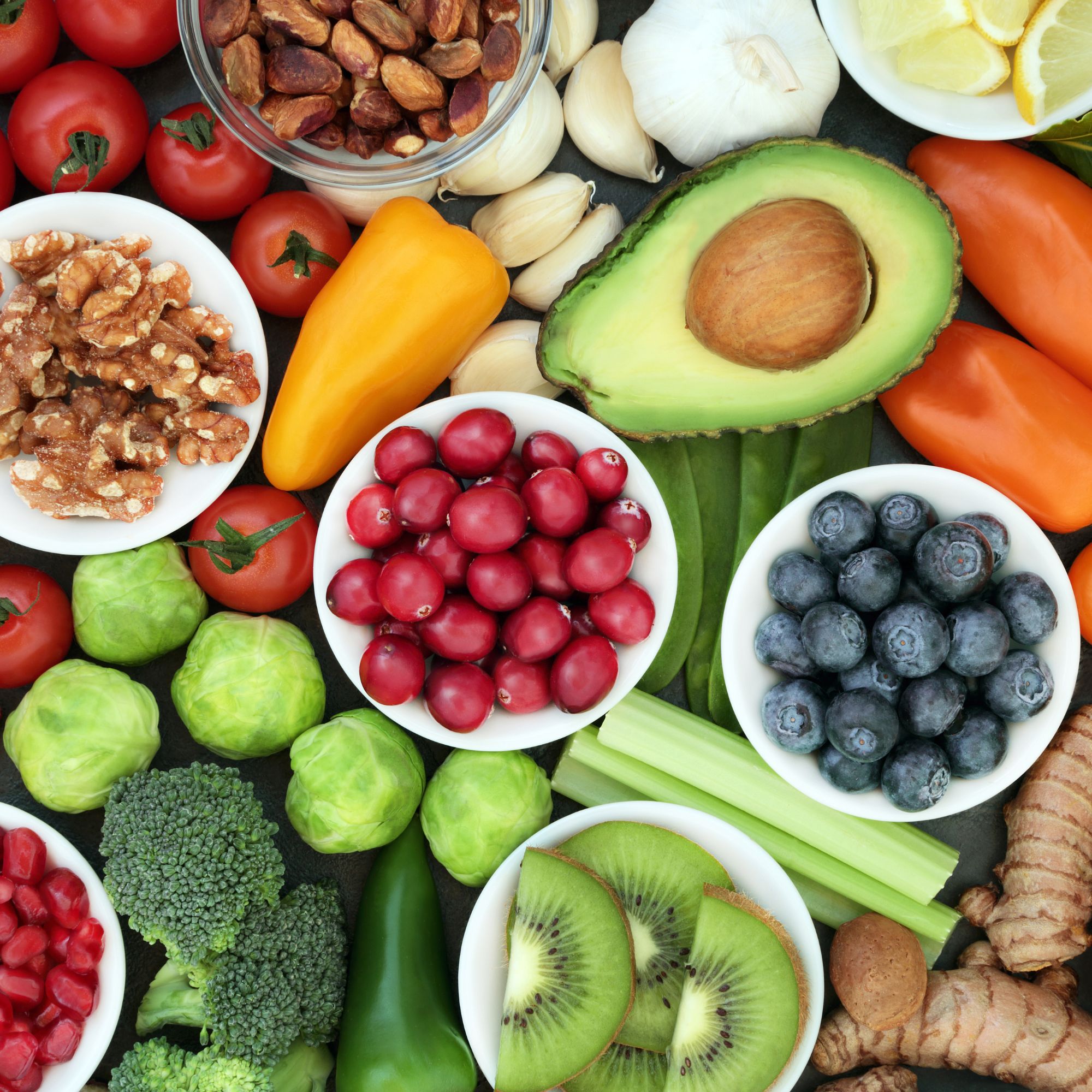
Most people approach glowing skin from the outside in — serums, retinols, vitamin C creams. And while a solid skincare routine matters, the most powerful tool you have isn't sitting on your bathroom shelf. It's in your fridge.
What you eat shows up on your face. Your skin is a living organ that is constantly regenerating, and it relies on the nutrients you give it to do that job well. No serum can build collagen the way food can. No cream can reduce inflammation the way a well-nourished gut can.
Here are the 12 foods I come back to again and again — not because they're trendy, but because the research genuinely supports them.
1. Wild Salmon
Wild salmon is one of the most skin-supportive foods in existence. It is rich in omega-3 fatty acids — specifically EPA and DHA — which maintain the skin's lipid barrier, reduce inflammatory acne, and keep skin hydrated from within. But the real secret weapon in salmon is astaxanthin, a carotenoid antioxidant that gives salmon its pink colour and has been shown in studies to improve skin elasticity, reduce UV-induced damage, and soften fine lines. You really cannot replicate this with a supplement stack.
2. Blueberries
Blueberries punch well above their weight when it comes to skin health. They are loaded with anthocyanins — plant compounds that neutralise free radicals before they can break down collagen — as well as vitamin C, which is an essential cofactor in collagen synthesis. The antioxidant load in a single cup of blueberries is genuinely impressive. Eat them fresh, frozen, or blended. They don't lose their power.
"No serum can build collagen the way food can. Your skin is fed from the inside — and it shows."
3. Avocado
Avocado is one of the few foods that delivers skin-loving nutrients across multiple pathways at once. The healthy monounsaturated fats help maintain the skin's moisture barrier, vitamin E acts as a fat-soluble antioxidant that protects cell membranes from oxidative stress, and lutein supports skin hydration and elasticity. One study found that women who ate avocado regularly had significantly more supple and springy skin. Add half an avocado to your daily meals and your skin will notice.
4. Bone Broth
Bone broth is one of the most direct ways to support collagen production through food. It contains glycine, proline, and hydroxyproline — the three amino acids your body uses to build collagen — in a highly bioavailable form. It also supports gut health, which is deeply connected to skin health (more on that in another post). Make your own from grass-fed bones, or look for a quality store-bought version with no added fillers.
5. Tomatoes (Especially Cooked)
Tomatoes are one of the best dietary sources of lycopene, a potent antioxidant that protects the skin from UV-induced damage and reduces redness caused by sun exposure. Here's the key: lycopene is significantly more bioavailable when tomatoes are cooked and consumed with fat. A drizzle of olive oil over roasted tomatoes is one of the most skin-friendly combinations you can make.
Cooking tomatoes increases their lycopene content by breaking down the cell walls that trap it. This is one of the rare cases where cooked actually beats raw.
6. Walnuts
Walnuts are the only nut that provides a meaningful amount of plant-based omega-3s (ALA), alongside zinc and vitamin E. Zinc in particular is critical for skin — it regulates sebum production, supports wound healing, and plays a direct role in reducing acne. If you're prone to breakouts, zinc deficiency could be a contributing factor. A small handful of walnuts daily is an easy way to top up.
7. Sweet Potato
Sweet potato is rich in beta-carotene, which your body converts to vitamin A — one of the most powerful skin nutrients known to science. Vitamin A regulates skin cell turnover, prevents the build-up of dead skin cells that cause clogged pores, and supports collagen production. It's essentially what retinol is derived from, but in food form. Sweet potato also contains vitamin C and antioxidants that work synergistically with the beta-carotene.
8. Dark Chocolate (70%+)
This one tends to surprise people. Good quality dark chocolate — 70% cacao or higher — is rich in flavanols, a class of antioxidants that have been shown to improve skin hydration, increase blood flow to the skin, and reduce UV sensitivity. One study found that women who drank high-flavanol cocoa daily for 12 weeks had measurably better skin texture and hydration. The catch: it has to be high-cacao. Milk chocolate won't cut it.
9. Green Tea
Green tea contains EGCG (epigallocatechin gallate), one of the most studied antioxidants for skin health. EGCG has been shown to reduce inflammation, inhibit the breakdown of collagen by matrix metalloproteinases, and protect against UV damage. Drinking 2–3 cups daily provides a consistent drip of these compounds. Matcha delivers an even higher concentration.
10. Sunflower Seeds
Sunflower seeds are an excellent source of vitamin E and selenium — two nutrients that work together to protect skin cells from oxidative damage. Selenium is particularly important for maintaining skin elasticity and has been linked to a lower risk of skin cancer. A small handful of sunflower seeds is one of the easiest snacks you can add to your day.
11. Broccoli
Broccoli contains sulforaphane, a compound that activates the body's own antioxidant defence systems and has shown promising results in protecting skin from UV damage in research settings. It also delivers vitamin C, zinc, and lutein. Steam lightly rather than boiling to preserve the sulforaphane content.
12. Extra Virgin Olive Oil
Extra virgin olive oil is one of the most skin-protective foods you can consume regularly. It is rich in monounsaturated fats that support the skin's lipid barrier, squalene (a natural emollient that occurs in human sebum), and powerful polyphenols that reduce oxidative stress and inflammation. The Mediterranean diet's legendary effect on longevity and skin quality is largely attributed to EVOO. Use it generously — drizzled over vegetables, salads, and anything else you can think of.
How to Use This List
You don't need to eat all 12 of these every single day. What matters is building a diet where several of them show up consistently. A typical day might look like: wild salmon for dinner, blueberries and walnuts with breakfast, a drizzle of olive oil over roasted tomatoes and broccoli at lunch, and a square of dark chocolate in the afternoon. That alone covers most of the list.
The skin responds to nutrition over time — most people notice changes within 6–8 weeks of consistently eating well. It's not as instant as a new serum, but it's far more lasting. You're building the actual structure of your skin, not just treating the surface.
If you want a head start, my free Skin Glow Guide goes deeper into exactly how to eat these foods daily — with portions, timing, and practical routines. It's free, and it lands in your inbox instantly.