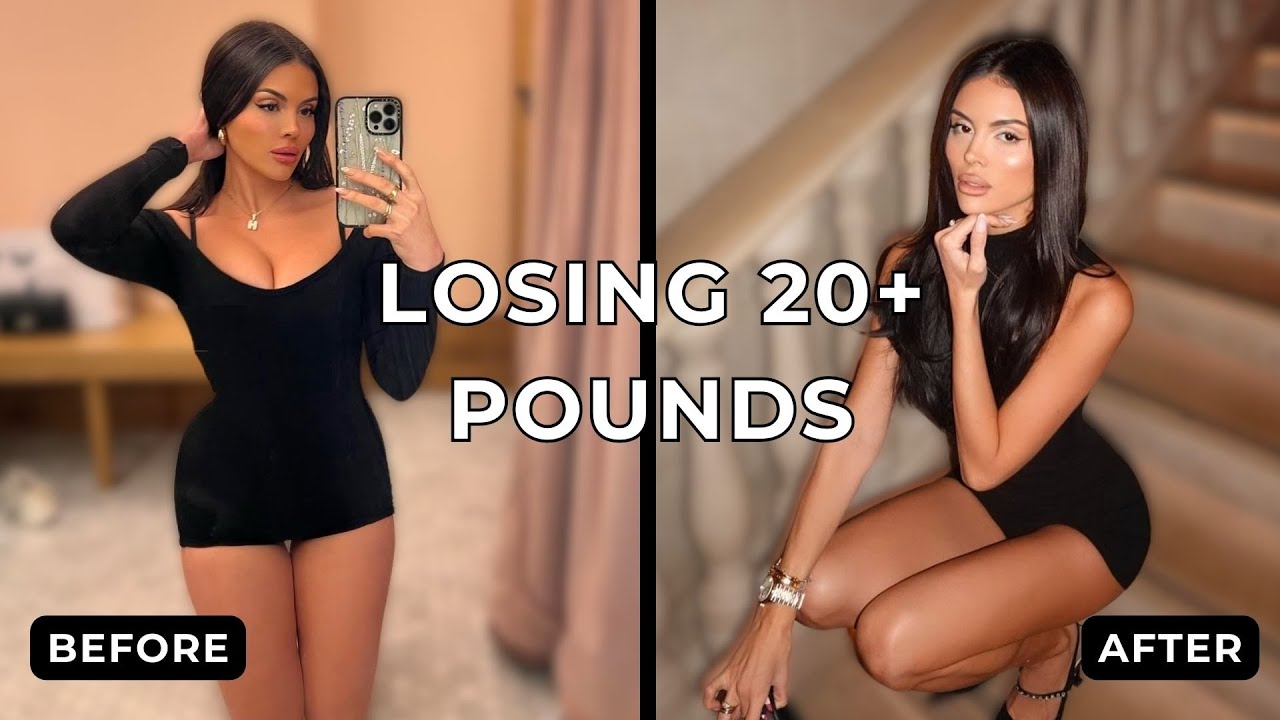
Holly Scarfone became a household name when she appeared on Too Hot to Handle Season 3 — but it's what she did after the show that the wellness internet can't stop talking about. Over the course of roughly three months, she lost 30 pounds, overhauled her diet, rebuilt her relationship with exercise, and dramatically reduced her alcohol consumption. The result is a body and a glow that look genuinely different.
What's striking, from a nutritionist's perspective, is how coherent the protocol actually is. This wasn't a crash diet or a week of juice cleanses followed by a rebound. Holly shared the details openly — the fasting window, the food choices, the workout structure, the decision to go mostly sober — and when you map those choices onto the physiology, the logic is solid across the board.
This post is a full breakdown of what she did and, more importantly, why it worked. Because whether or not you follow Holly on social media, the principles behind her transformation are directly applicable to anyone who wants to change how they look and feel.
I also made a video going through all of this — watch it here, or read on for the deep dive below.
Starting Point: Hormones, Sleep, and Why the Foundation Matters
Before getting into the specific habits, it's worth understanding where Holly said she was starting from. She was open about the fact that her hormones were dysregulated, her sleep was poor, and her body was not in a state that made fat loss easy or natural.
This matters clinically, and I want to spend a moment on it because it is probably the most underappreciated piece of any body transformation story.
The hypothalamic-pituitary-adrenal axis — your HPA axis — is essentially the body's stress and recovery regulator. It controls the release of cortisol, which in turn affects sleep quality, blood sugar stability, appetite hormone signalling (particularly leptin and ghrelin), and your body's tendency to store or mobilise fat. When the HPA axis is chronically dysregulated, you get a cascade of effects that make everything harder: elevated cortisol promotes visceral fat storage, disrupted sleep amplifies hunger hormones, and metabolic rate slows as the body tries to conserve resources.
Sleep, specifically, is where this becomes physiologically concrete. During deep, restorative sleep, your body releases growth hormone — the primary signal for tissue repair, muscle maintenance, and fat mobilisation. Poor sleep suppresses growth hormone output, elevates evening cortisol, and dramatically increases ghrelin (the hunger hormone) the following day. Studies consistently show that people who sleep fewer than seven hours consume significantly more calories the next day — not because they lack willpower, but because their appetite-regulating hormones are genuinely off.
So when Holly described addressing her sleep as a foundational first step, that was not a small thing. That was recalibrating the entire endocrine environment in which her other changes would take place.
If you are struggling to lose weight despite eating well and exercising, and your sleep is consistently poor, the sleep is not a separate issue — it is the issue. Fixing sleep quality before adding more dietary restriction or exercise is not laziness. It is correct clinical sequencing.
The Intermittent Fasting Protocol
Holly shifted her first meal from around 4pm back to 1pm — which effectively created a roughly 16:8 intermittent fasting window (eating from 1pm to 9pm, fasting from 9pm to 1pm the following day). This is one of the most commonly used IF protocols, and the research behind it is reasonably well-established for fat loss and metabolic health.
What Intermittent Fasting Actually Does
The primary mechanism through which intermittent fasting supports fat loss is straightforward: by compressing the eating window, most people naturally consume fewer calories without needing to track or restrict specific foods. Studies on time-restricted eating consistently show modest but meaningful reductions in caloric intake simply because the opportunity to eat is reduced.
Beyond the caloric mechanism, fasting periods also reduce insulin secretion. Insulin is your primary storage hormone — when it is elevated, your body is in a state of nutrient uptake and fat storage. During fasting, insulin drops and glucagon rises, which signals the body to begin mobilising stored energy (including body fat) for fuel. The longer the fasting window, the more time your body spends in this fat-mobilisation state.
Extended fasting also upregulates autophagy — a cellular clean-up process in which the body breaks down and recycles damaged proteins. Autophagy has anti-inflammatory effects, supports skin clarity, and is one of the proposed mechanisms behind the "glow" that many people report when fasting consistently.
A Note on Women and Intermittent Fasting
I want to flag something important here, because it gets glossed over in most IF content. The research on intermittent fasting is significantly more mixed in women than in men, particularly for women in their reproductive years. Several studies have shown that aggressive caloric restriction or extended fasting can suppress LH (luteinizing hormone) and FSH (follicle-stimulating hormone) — the hormones that regulate the menstrual cycle. For women with already dysregulated hormones, very long fasting windows can sometimes amplify the dysregulation rather than resolve it.
The 16:8 window Holly used is generally considered moderate enough that it doesn't carry significant risk of HPA or reproductive axis disruption for most women — especially when the eating window includes adequate protein and calories. But it is a variable worth paying attention to, particularly if you notice changes in cycle regularity after starting a fasting protocol.
A 16:8 window is a reasonable and sustainable place to start. The key is ensuring that your eating window contains enough protein (aim for 0.7–1g per pound of body weight), enough dietary fat to support hormone production, and enough total calories to maintain metabolic rate. Fasting on top of severe restriction is where the trouble begins.
The Plant-Forward Diet
Holly described shifting toward a predominantly plant-based diet — not strictly vegan, but plant-forward, with a clear emphasis on vegetables, legumes, whole grains, and fruits as the foundation of her meals.
This is one of the most consistently well-supported dietary patterns in the research, and I want to explain specifically why it tends to produce the results Holly experienced.
Why Plants Work for Body Composition
Plant foods are, in general, exceptionally high in fibre and water content relative to their caloric density. This means you can eat a very large volume of plant-based foods while consuming relatively few calories — a concept known as volumetric eating. Fibre and water both slow gastric emptying, promote the release of satiety hormones (particularly GLP-1 and PYY), and reduce the post-meal blood sugar spikes that drive cravings and subsequent overeating.
Fibre also feeds the gut microbiome. A diverse, well-fed gut microbiome produces short-chain fatty acids (particularly butyrate), which have anti-inflammatory effects, support the gut lining, and are increasingly linked to healthy body weight regulation. Studies consistently show that individuals with higher dietary fibre intake have lower body weights, better insulin sensitivity, and lower inflammatory markers — independent of total caloric intake.
Plant-forward eating also tends to reduce dietary inflammatory load. Animal products — particularly processed meats and certain dairy products — are high in saturated fat, arachidonic acid, and other compounds that can promote low-grade systemic inflammation. Chronic inflammation elevates cortisol and disrupts insulin signalling, both of which impede fat loss. Shifting the dietary foundation toward plants typically reduces this inflammatory burden meaningfully over time.
What About Protein?
The common concern with plant-forward eating is protein adequacy — and it's a fair one. Protein is the most metabolically important macronutrient for body composition: it has the highest thermic effect of food (meaning your body burns more calories processing it), it supports muscle retention during a caloric deficit, and it is the most satiating of the three macronutrients.
A plant-forward diet can absolutely meet protein needs — but it requires some intentionality. Legumes (lentils, chickpeas, black beans), tofu, tempeh, edamame, quinoa, hemp seeds, and Greek yogurt (if dairy is included) are all high-quality plant protein sources. Holly's approach, which appears to include some animal protein rather than being strictly vegan, gives more flexibility. The key is that protein remains a focal point at each meal regardless of the food source.
A plant-forward diet is not about elimination — it's about proportions. If half your plate is vegetables, a quarter is a high-quality protein source, and a quarter is a complex carbohydrate, you will naturally shift toward the pattern Holly describes without needing to label yourself anything.
The Workout Routine: Incline Treadmill, Leg Work, and Rowing
Holly's fitness approach centres on three modalities: incline treadmill walking, lower body resistance training, and rowing. Each of these is well-chosen, and their combination produces a synergistic effect that goes beyond what any one of them would achieve alone.
Why Incline Treadmill Walking Is a Game-Changer
Incline walking has become one of the most widely recommended fat-loss tools, and the science behind the enthusiasm is genuine. Walking at a steep incline significantly increases caloric expenditure relative to flat walking at the same pace, without requiring the high-intensity effort (and corresponding cortisol elevation) of running.
This matters for body composition for a specific reason. High-intensity cardio, when overdone, elevates cortisol chronically — and as we discussed, chronic cortisol elevation promotes fat storage, particularly visceral fat. Incline walking achieves a high caloric burn while keeping the body in a primarily aerobic, low-stress metabolic state. It also dramatically increases NEAT (non-exercise activity thermogenesis) — the energy expended through movement outside of structured exercise — which is one of the most impactful variables in long-term weight management.
Practically speaking: 45 minutes of incline treadmill walking at 12–15% gradient burns roughly the same number of calories as a moderate run, but the hormonal response, the joint impact, and the recovery requirement are all dramatically lower. For someone rebuilding their fitness foundation, this is an intelligent entry point.
Leg Work and Why the Lower Body Is Your Metabolic Engine
The lower body contains the largest muscle groups in the human body: the glutes, quadriceps, and hamstrings. Training these muscles — squats, lunges, hip thrusts, deadlifts and their variations — creates the greatest metabolic demand of any resistance training, both during the workout and in the 24–48 hours following it (through excess post-exercise oxygen consumption, or EPOC).
Building lean mass in the lower body also raises resting metabolic rate over time, because muscle is metabolically active tissue that requires energy to maintain. This is why people who prioritise lower body strength training tend to find fat loss more sustainable long-term — they are gradually raising the metabolic floor.
There is also a hormonal benefit to heavy lower body training. Compound lower body movements stimulate a significant anabolic hormone response — growth hormone and IGF-1 in particular — which supports muscle building, fat mobilisation, and the connective tissue remodelling that contributes to the sculpted appearance that Holly's physique now reflects.
Rowing for Full-Body Conditioning
Rowing is a criminally underrated exercise modality. A full rowing stroke engages approximately 86% of the body's muscle mass — calves, quads, hamstrings, glutes, core, back, shoulders, and arms all fire in sequence. This makes it one of the highest caloric-expenditure-per-unit-time exercises available, while also being low-impact and technically accessible once the basic form is established.
In the context of Holly's overall protocol, rowing serves as a high-output cardiovascular stimulus that complements the slower-burn incline treadmill work and the anaerobic demand of leg training. The combination of all three produces a well-rounded stimulus across all energy systems.
You do not need to train like an athlete to change your body. Holly's combination — incline walking for NEAT and cardiovascular health, lower body resistance work for metabolic rate and body composition, and rowing for full-body conditioning — is achievable for most people and produces results precisely because it addresses body composition from multiple physiological angles simultaneously.
Eight Months Mostly Sober
This is, in my opinion, the most underappreciated element of Holly's transformation. She described going mostly sober for approximately eight months, and the physiological impact of that decision on her body composition, skin, and hormonal health is profound.
What Alcohol Does to Fat Loss
Alcohol is metabolised as a priority fuel in the body — meaning that when alcohol is present, your liver processes it before fat, carbohydrates, or protein. This effectively pauses fat oxidation for the duration of the metabolism, which can take four to six hours depending on the amount consumed. If you drink several times a week, you are spending meaningful stretches of time in a metabolic state where fat burning is essentially halted.
Beyond the direct metabolic effect, alcohol is calorie-dense (7 kcal per gram) and provides no satiety signal. Unlike protein, fat, or fibre — which trigger gut-based satiety hormones — alcohol calories do not register as "food" in your appetite-regulation system, making it easy to consume significant additional calories without feeling full.
Alcohol also disrupts sleep architecture, particularly REM sleep and the deep slow-wave sleep in which growth hormone is primarily secreted. Even moderate drinking (two to three drinks) significantly fragments sleep quality, reducing total recovery and amplifying the next-day appetite dysregulation we discussed in the sleep section. This creates a compounding cycle: alcohol impairs sleep, impaired sleep raises ghrelin and lowers leptin, elevated ghrelin drives overeating the following day.
The Skin and Hormonal Benefits
Alcohol is directly pro-inflammatory. It elevates zonulin (a marker of intestinal permeability), promotes histamine release, and disrupts the gut microbiome in ways that are directly reflected in skin — as increased redness, puffiness, breakouts, and accelerated collagen degradation. Reducing alcohol consumption is one of the highest-leverage dietary interventions for skin clarity and tone, often producing visible results within a few weeks.
Hormonally, alcohol elevates oestrogen (via increased aromatase activity) and suppresses testosterone in women — both effects that can disrupt body composition, mood, and energy. Reducing alcohol intake typically normalises sex hormone balance over time, which contributes to the broader hormonal restoration that Holly described as foundational to her transformation.
You don't need to commit to permanent sobriety to see the benefits Holly experienced. Even reducing alcohol to once a week — or taking a 30-day break to reset — can meaningfully improve sleep quality, skin clarity, hormonal balance, and the body's ability to oxidise fat. It is one of the highest-impact, zero-cost interventions available.
How It All Works Together
What makes Holly Scarfone's protocol so instructive is that none of the individual components are extreme — but together, they create a highly coherent, mutually reinforcing system.
Better sleep improves hormonal balance, which makes fasting easier and reduces cravings. Intermittent fasting reduces insulin exposure, which makes the body more efficient at burning fat during exercise. A plant-forward diet lowers inflammatory load and feeds the gut microbiome, which supports the hormonal balance that makes the fasting window sustainable. Incline walking and leg training increase caloric expenditure and build muscle, raising the metabolic floor. And near-sobriety removes the most significant single brake on fat oxidation, sleep quality, and skin health in one move.
The whole is meaningfully greater than the sum of its parts. This is how sustainable body transformation actually works — not through one extreme intervention, but through the compounding of several well-chosen, evidence-informed habits.
Where to Start
If you're looking at Holly's protocol and wondering where to begin, here is my sequencing recommendation:
- Start with sleep. If your sleep is poor, address it first. Everything else will work better once your hormonal baseline is restored. Magnesium glycinate, consistent sleep and wake times, and removing screens an hour before bed are your entry points.
- Reduce alcohol first. Before changing anything you eat, reduce drinking to once a week or less for 30 days and observe what happens. Most people are surprised by how much shifts — in energy, skin, mood, and body composition — from this one change alone.
- Try a moderate fasting window. Start with 14:10 rather than jumping straight to 16:8. Give your body two to three weeks to adjust before tightening the window further.
- Add incline walking before adding intensity. 30–45 minutes of incline walking three to five times per week is a sustainable foundation. Add leg training two to three times per week once the walking habit is established.
- Shift your food proportions, not your food identity. You don't need to go vegan. You need more vegetables, legumes, and fibre at every meal. Start there.
If you want a more structured approach to any of this — particularly the nutrition side — my Intuitive Eating guide goes deep on eating patterns, hunger cues, and building a sustainable relationship with food without tracking or restriction. And if you want a full nutrition framework, the Nutrition Bundle covers meal structure, body composition, and the science behind sustainable fat loss in detail.
Frequently Asked Questions
Is 30 pounds in 3 months realistic for most people?
It is on the higher end of what's achievable in that timeframe, and individual results vary significantly based on starting point, hormonal status, and consistency. The more relevant question is whether the rate is sustainable — and when the weight loss is driven by the protocol Holly used (rather than extreme restriction), regain is much less likely because the foundational habits remain in place.
Can you do intermittent fasting without going plant-based?
Absolutely. Intermittent fasting and plant-forward eating are independent variables that happen to work well together. You can practice a 16:8 window with any dietary pattern. The plant-forward emphasis amplifies the results because of the fibre, micronutrient density, and anti-inflammatory effects — but it is not a prerequisite for fasting to work.
What incline and speed should I use on the treadmill?
Holly has mentioned 12–15% incline at around 3–3.5 mph as her baseline. This is in line with the popular 12-3-30 protocol (12% incline, 3 mph, 30 minutes). Start at whatever feels challenging but sustainable — you should be breathing harder than normal but still able to hold a conversation. Increase incline or duration progressively over weeks.
Does mostly sober mean zero alcohol?
Holly described it as "mostly sober" — meaning very occasional, rather than complete abstinence. From a physiological standpoint, the benefits compound with reduced frequency and quantity. Even cutting from daily or several-times-weekly drinking to once or twice a month produces meaningful improvements in sleep architecture, skin, and fat oxidation.
I'm not motivated to do all of this at once. Where should I actually start?
Start with one thing and do it consistently for three weeks before adding the next. I'd recommend starting with either sleep or alcohol reduction — both are high-leverage and create downstream benefits that make everything else easier. A single well-established habit is worth more than five half-committed ones.