I want to tell you something I watched happen to Luke over two years of undiagnosed EoE, and then again — more subtly — after his diagnosis. Food became a source of fear. Not just wariness. Real, anticipatory dread. The kind that makes you eat standing over the kitchen sink so you can get to a glass of water quickly, or push your plate away at a dinner party because the anxiety of not knowing what's in a dish feels worse than hunger.
By the time we had a name for what was happening — eosinophilic esophagitis — the fear had already shaped itself around eating. And as much as the dietary changes and the medical management mattered, so did addressing that fear. Because EoE doesn't just narrow the oesophagus. It can narrow your entire world.
This is something the research is finally catching up on. The psychological burden of EoE is substantial, and it deserves the same attention and care as the physical symptoms. In this post, I want to walk you through what we know about EoE and anxiety, where normal fear ends and something more clinical begins, and the practical strategies that have made a genuine difference — for Luke, and for many of the people in the EoE community I've spoken with over the years.
Why EoE Creates Fear Around Eating
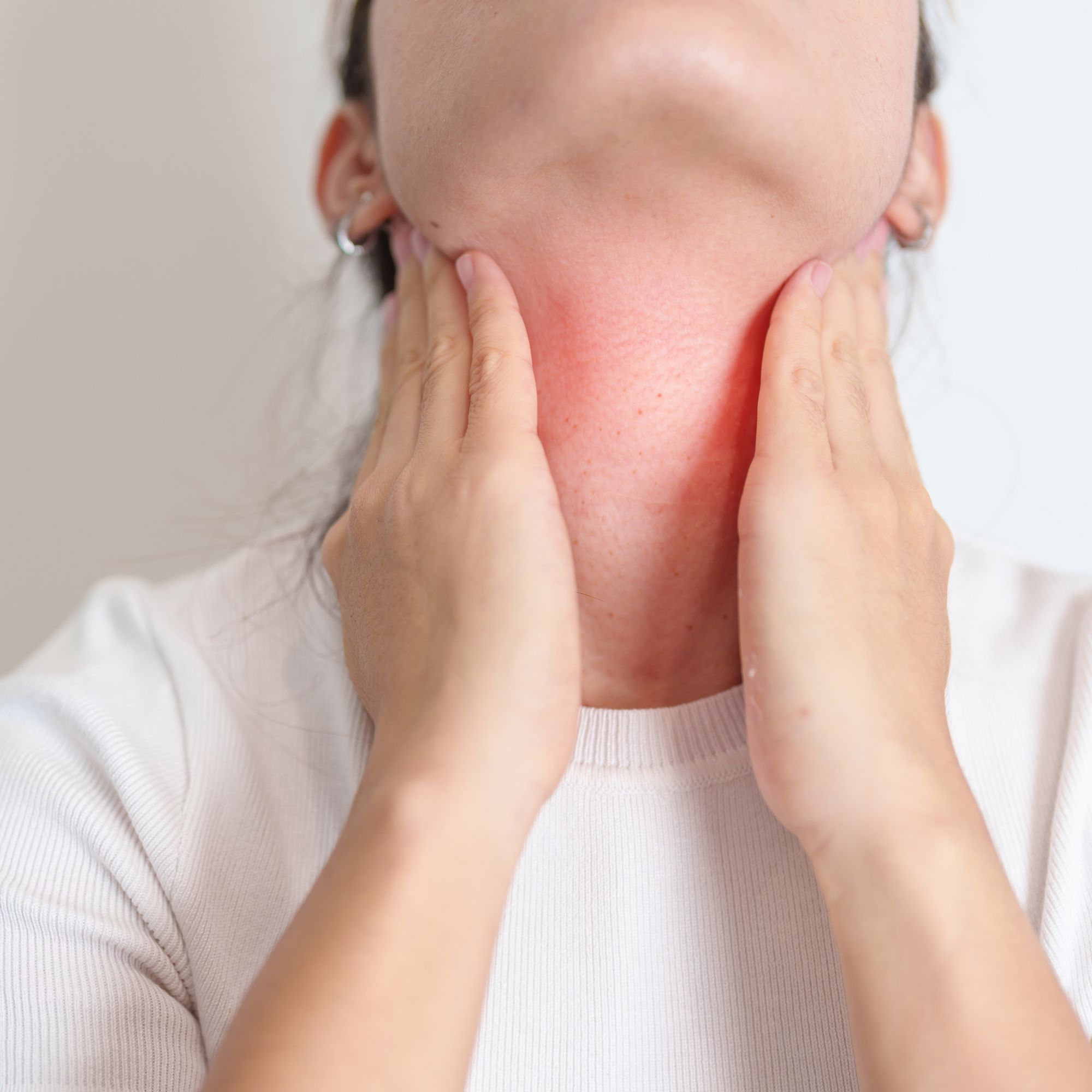
To understand why EoE so reliably produces food anxiety, you have to understand what the condition actually feels like from the inside. EoE is a chronic immune-mediated condition in which eosinophils — a type of white blood cell — accumulate in the lining of the oesophagus. Over time, this leads to inflammation, tissue remodelling, narrowing (strictures), and a range of symptoms including dysphagia (difficulty swallowing), food impaction, heartburn, chest pain, and for children, food refusal and failure to thrive.
Food impaction — where a piece of food becomes lodged in the oesophagus and cannot pass — is the most dramatic and traumatic of these experiences. It can require an emergency endoscopy to dislodge. Even when it resolves on its own, the experience of being unable to breathe normally, of food sitting stubbornly in your chest, of waiting in an emergency room wondering whether this is the time it becomes truly dangerous — that experience leaves a mark. It is, by any clinical definition, a traumatic event. And trauma has a way of reorganising how the brain relates to its triggers.
Luke had his first impaction before we knew he had EoE. He thought he had just eaten too fast, or that a piece of steak was particularly tough. He drank water, paced, waited it out. The second time it happened — with what should have been a perfectly safe piece of grilled chicken — something shifted. That's when eating stopped feeling like a neutral act.
The Research on EoE, Anxiety, and Quality of Life
Studies consistently show that EoE has a significant negative impact on health-related quality of life (HRQoL), and that the psychological burden is not simply a byproduct of the physical symptoms — it has its own independent weight. A landmark study published in Diseases of the Esophagus found that adults with EoE reported significantly higher rates of anxiety and depression compared to both healthy controls and patients with gastroesophageal reflux disease (GERD). The prevalence of clinically significant anxiety symptoms in EoE patients ranges from 25–40% in published studies — that's not a minor footnote. That's a defining feature of the condition for nearly half of those living with it.
Research by Mukkada and colleagues examining paediatric EoE patients found that children with EoE scored substantially lower on quality-of-life measures than healthy children, with feeding difficulties, food anxiety, and social restriction all contributing factors. For adults, a study in The American Journal of Gastroenterology found that the psychological burden of EoE was comparable to that of inflammatory bowel disease — a condition well known for its mental health impact.
What drives this anxiety? Several mechanisms are at work. There is the direct conditioning effect of painful or frightening eating experiences — the brain learns, quite rationally, that eating has led to pain before, and raises the alarm accordingly. There is also the chronic stress of navigating elimination diets, food labelling, social eating restrictions, and the uncertainty of not knowing which foods are safe. And there is the anticipatory anxiety that builds before endoscopies, reintroductions, and social eating events — the sustained low-grade stress of living with an unpredictable condition.
"EoE doesn't just narrow the oesophagus. For many patients, it narrows their entire world — shrinking the social, emotional, and practical space that eating used to occupy."
Normal Fear vs. Clinical Food Anxiety
It is entirely normal — and in fact adaptive — to feel some degree of caution around eating when you have EoE. Being mindful of textures, chewing thoroughly, avoiding known triggers: these are sensible behaviours. The line into something more problematic is crossed when the fear begins to cause harm of its own.
Signs that food anxiety has moved beyond adaptive caution include:
- Significant restriction beyond medical necessity — avoiding foods that have not been identified as personal triggers because they feel unsafe, even after they've been cleared by your gastroenterologist
- Anticipatory anxiety that begins hours or days before a meal — dreading dinner while still at breakfast, spending the day before a social event in a state of heightened arousal
- Avoidance of social eating — declining invitations, making excuses to avoid restaurants or family gatherings, eating beforehand so you don't have to eat there
- Hypervigilance during meals — inability to relax or hold a conversation while eating, constant monitoring of every sensation in the throat and chest
- Post-meal rumination — replaying what you ate, analysing sensations, waiting anxiously for symptoms to appear
- Significant weight loss or nutritional deficiency driven by fear-based restriction rather than medical guidance
- Impact on mood, sleep, or relationships as a direct result of food-related anxiety
If several of these resonate, it does not mean something is wrong with you. It means you have been through something genuinely difficult, and your nervous system has tried to protect you. But protection strategies that worked in the short term can become prisons. The goal is to stay safe and to eat well — and those two things are not in opposition.
Avoidance Behaviours and Social Isolation
One of the most insidious aspects of EoE anxiety is how it compounds over time through avoidance. The logic of avoidance is seductive: if eating chicken caused an impaction, don't eat chicken. If restaurants feel unpredictable, don't go to restaurants. If you can't control what's served at a dinner party, decline the invitation. Each avoidance feels like a reasonable precaution in the moment. The problem is that avoidance teaches the brain that the avoided thing was genuinely dangerous — reinforcing the fear rather than diminishing it.
Over time, the circle of "safe" foods shrinks. The circle of "safe" situations shrinks. People with EoE tell me they eat the same five or six meals on rotation not because those are the only foods they can tolerate, but because those foods feel known and therefore safe. They describe turning down birthday dinners, work lunches, first dates — not because they can't physically go, but because the anxiety of going feels overwhelming.
For Luke, this looked like a period where he was essentially only comfortable eating at home, eating foods he had prepared himself. Which, for a while, was what he needed. But it became a cage rather than a refuge, and we had to work deliberately to expand it.
What's happening in the brain: Repeated painful or frightening eating experiences activate the brain's threat-detection system (the amygdala). Over time, the mere anticipation of eating can trigger this response — even in the absence of any real danger. This is a learned response, and learned responses can be unlearned.
The avoidance trap: Each time you avoid a feared food or situation and feel relief, your brain registers the avoidance as having "worked" — strengthening the anxiety cycle rather than breaking it.
The goal is not fearlessness — it's calibrated confidence: eating with appropriate care, medical guidance, and a nervous system that isn't constantly in threat mode.
Practical Strategies for Managing EoE-Related Food Anxiety
1. Build a Foundation of Safe Meals
Rather than focusing on what you can't eat, invest time and energy in building a repertoire of meals that are both medically appropriate for your current phase of treatment and genuinely enjoyable. When you have ten meals you love and trust, a meal doesn't feel like a gamble. It feels like a choice. This is one of the things I worked hard on developing in the Be Free From EoE bundle — the recipe books are specifically designed to make safe eating feel abundant rather than depleting.
2. Practise Gradual Exposure
Gradual exposure — a cornerstone of cognitive behavioural therapy — involves approaching feared situations in a stepwise, manageable way rather than all at once. For EoE food anxiety, this might look like: eating a slightly more challenging texture at home first, before trying it at a restaurant. Going to a familiar café before tackling an unfamiliar restaurant. Attending a dinner party but bringing a dish you know is safe, rather than avoiding the event entirely.
The key principle is that exposure must be gradual enough to be tolerable, but challenging enough to provide new information to your nervous system. You are, essentially, showing your brain evidence that eating can be okay — that it doesn't always end in pain. Each safe meal is a piece of counter-evidence against the threat narrative your brain has built up.
3. Separate Sensation from Catastrophe
One of the most valuable cognitive tools for EoE patients is learning to notice a sensation in the oesophagus without immediately escalating it to catastrophe. This doesn't mean ignoring genuine warning signs — it means building the skill of observing a sensation with curiosity rather than panic. Is this the mild pressure of food passing? Is this a genuine impaction beginning? Is this anxiety itself, which can cause throat tightening and a sense of obstruction even when nothing is there?
Mindful eating practices can help with this. Slowing down, taking smaller bites, chewing thoroughly, and pausing between bites — these aren't just good EoE food-hygiene habits. They also bring your nervous system out of fight-or-flight and into a calmer state, which changes how sensations are perceived and interpreted.
4. Build Consistent Meal Rhythms
Predictability is deeply calming to an anxious nervous system. Eating at consistent times, in consistent environments, with consistent preparation methods reduces the number of variables the brain has to evaluate as potential threats. This doesn't mean you can never eat spontaneously — but having anchored, reliable meal routines creates a foundation of safety that makes flexibility easier over time.
Luke's turning point was eating the same well-structured breakfast every single morning for three months. Not because the breakfast was magical — it was just oats, berries, and almond milk — but because the repetition of a meal that reliably went well began to rewrite the story his nervous system had built around eating.
5. Address the Social Dimension Directly
Social eating anxiety often has as much to do with the fear of having to explain EoE, of being seen as difficult or high-maintenance, as it does with the physical fear of symptoms. Having a clear, comfortable way to explain your needs to others — short, matter-of-fact, without excessive apology — reduces the social cognitive load enormously. You don't owe anyone a lengthy explanation. Something as simple as "I have a condition that means I need to be careful about certain foods — I'll find something that works for me" is entirely sufficient.
6. Know When to Involve a Psychologist
If anxiety is significantly impacting your nutrition, your social life, or your quality of life, please consider working with a psychologist — ideally one with experience in health anxiety, chronic illness, or eating difficulties. Cognitive Behavioural Therapy (CBT) has strong evidence for food-related anxiety. Some patients also benefit from Acceptance and Commitment Therapy (ACT), which focuses on accepting the reality of living with a chronic condition while still moving toward a meaningful life. This is not weakness. It is the same evidence-based approach you'd take to any other aspect of managing EoE.
The Role of a Dietary Support System
One thing I've seen make an enormous difference — both for Luke and for people in the EoE community — is having a knowledgeable, consistent dietary support system. By which I mean: someone who understands EoE nutrition, who can help you build a safe and nourishing way of eating, and who you trust to guide you through reintroductions and meal planning without catastrophising or minimising.
For many people, this is a combination of their gastroenterologist, a registered dietitian with EoE experience, and whatever community of people who actually understand the condition they can find. The isolation of managing a rare condition is real — and the relief of being around people who simply get it is hard to overstate.
That is genuinely part of why I created the Be Free From EoE resource. Not just the clinical protocols and the meal plans, but the sense of someone having walked through this with you — understanding both the medical complexity and the fear, and believing that both can be navigated.
Frequently Asked Questions
Is it normal to have anxiety with EoE, or is something wrong with me?
It is completely normal. Studies show that between 25–40% of people with EoE experience clinically significant anxiety symptoms. When eating repeatedly leads to pain, difficulty, or frightening episodes like food impaction, it would be more surprising if the brain didn't respond with increased vigilance. Anxiety is not a character flaw — it is a predictable response to an unpredictable, painful condition. The question is not whether it's normal, but whether it's getting in the way of your quality of life enough to warrant active support.
Can anxiety itself cause EoE symptoms?
Anxiety can absolutely cause physical sensations in the throat and oesophagus that feel very similar to EoE symptoms — tightening, a sensation of difficulty swallowing, chest pressure. This is because anxiety activates the sympathetic nervous system, which affects muscle tone throughout the body including in the oesophageal wall. It does not cause the eosinophilic inflammation of EoE itself, but it can create symptoms that overlap significantly, which can perpetuate the anxiety further. A gastroenterologist can help distinguish between anxiety-driven and inflammation-driven symptoms.
How do I know if a sensation while eating is an impaction starting, or just anxiety?
This is one of the hardest distinctions to make, especially early in the process of managing EoE anxiety. In general, anxiety-related throat tightening tends to ease with slow, deliberate breathing and can fluctuate without you eating more. An impaction — food genuinely stuck in the oesophagus — will tend to feel more fixed, may cause increased secretions (the body tries to lubricate the obstruction), and won't be relieved by relaxation alone. Over time, most people with EoE develop an ability to distinguish between the two. If you are unsure and the sensation persists for more than 20–30 minutes, seek medical advice.
Does getting EoE under medical control improve the anxiety?
Often yes, significantly — but not always automatically. When the oesophageal inflammation is well managed and symptoms are reduced, many people find their food anxiety decreases naturally as positive eating experiences accumulate. However, for some people the anxiety has become entrenched enough that it persists even after good medical control is achieved. If you find that your symptoms are well managed but the fear remains, that is worth addressing directly through psychological support rather than waiting for it to resolve on its own.
If you are in the midst of this — afraid of eating, restricting beyond what your medical team has advised, pulling back from social life — I want you to know that this is one of the most common and least-talked-about aspects of EoE. You are not alone in it, and it does get better. It takes patience, the right support, and the willingness to let your nervous system slowly update its threat assessment. But it does get better.
The Be Free From EoE bundle covers not just the nutritional and medical side of EoE management, but the practical, psychological, and social dimensions of living well with this condition. If you are looking for a place to start, the free first ebook covers the foundations — and you can grab it without spending a thing.