When my husband Luke was first diagnosed with eosinophilic esophagitis (EoE), we had already spent years trying to figure out what was wrong. He'd been told it was anxiety. Acid reflux. Stress. "Just eat slower." None of it was right — and none of it helped.
EoE is a chronic immune-mediated condition where eosinophils (a type of white blood cell) build up in the lining of the esophagus, causing inflammation and damage. It affects roughly 1 in 2,000 people, and the average time from first symptoms to correct diagnosis is over 4 years.
If that number shocks you, it shouldn't. Because the symptoms of eosinophilic esophagitis are easy to dismiss — until you know exactly what you're looking for.
The Most Common Eosinophilic Esophagitis Symptoms in Adults
1. Dysphagia — Difficulty Swallowing
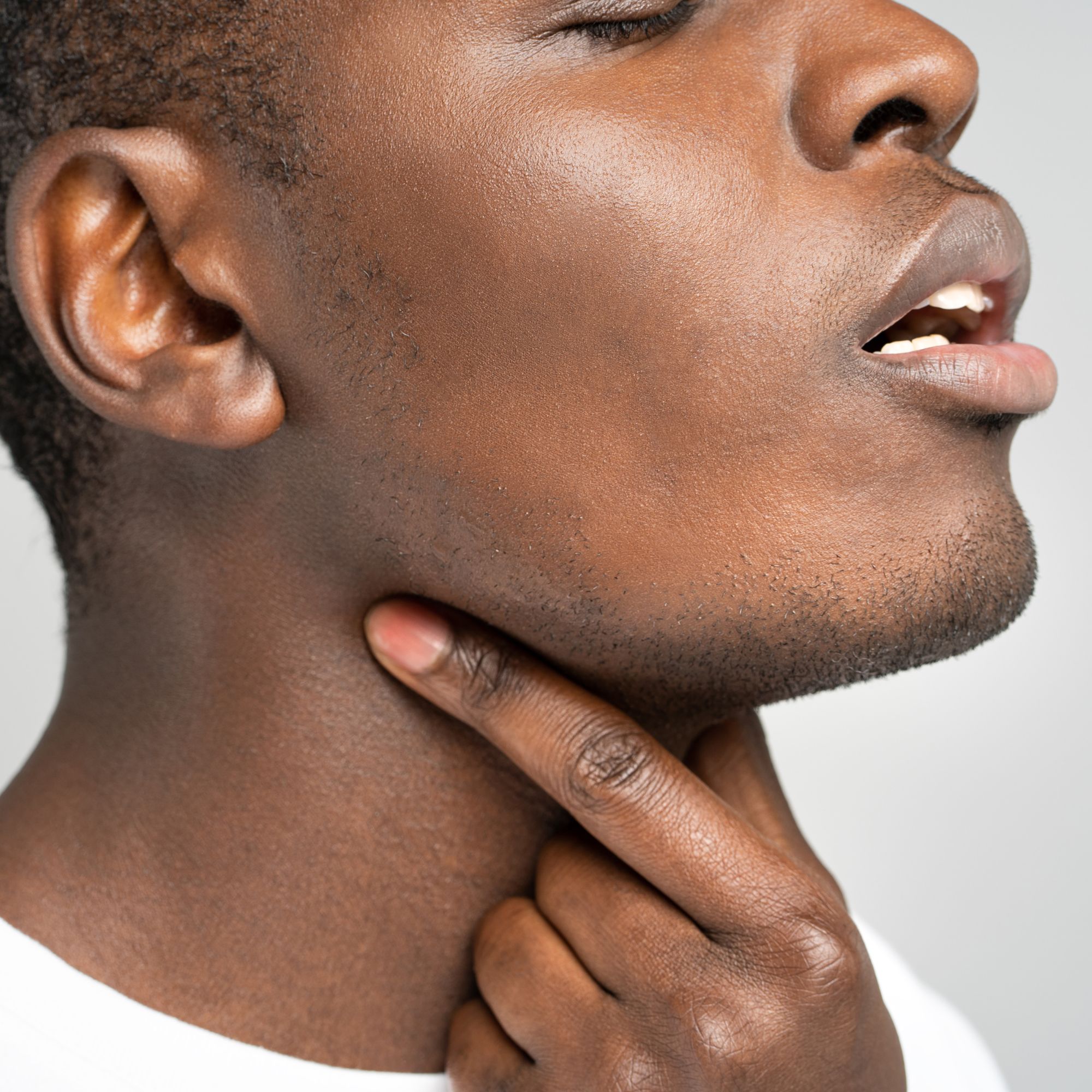
Dysphagia is the hallmark symptom of EoE in adults. It's the sensation that food is sticking, catching, or not going down properly. It might happen with every meal or only with certain textures. Dense proteins like chicken, steak, and bread are the most common culprits.
For Luke, this was the symptom that was always "explained away." He was told to chew more thoroughly, eat more slowly, drink more water. But dysphagia caused by EoE isn't a chewing problem — it's structural and inflammatory, and no amount of slow chewing will fix it on its own.
2. Food Impaction — Food Getting Stuck
Food impaction is one of the most alarming EoE symptoms, and it's more common than most people realise. This is when food becomes genuinely stuck in the esophagus and cannot pass — not even with water. It can require emergency intervention to remove.
People who've experienced food impaction often describe it as one of the most frightening moments of their lives. If this has happened to you or someone you love, please don't wait for another episode — push for a gastroenterology referral immediately.
3. Chest Pain and Heartburn-Like Sensations
EoE often causes a deep chest pain or burning sensation that mimics GERD (acid reflux). This is one of the main reasons EoE gets misdiagnosed — it feels identical to heartburn, and standard acid reflux medication does nothing to treat the underlying eosinophilic inflammation.
If you've been on PPIs (proton pump inhibitors) for months with minimal improvement, EoE is worth investigating.
4. Regurgitation
Unlike the acidic regurgitation of GERD, EoE-related regurgitation often involves undigested food coming back up shortly after eating. The esophagus, narrowed or stiffened by inflammation, simply can't move food through efficiently.
5. Nausea and Upper Abdominal Pain
Many EoE patients experience nausea, particularly after eating trigger foods. Abdominal discomfort and a feeling of fullness very early in a meal are also common — the body's way of signalling that something is wrong upstream.
6. Avoiding Certain Foods or Social Eating
This one often goes unnoticed by doctors but is hugely significant. People with undiagnosed EoE frequently begin avoiding foods that cause them discomfort — without consciously realising why. They stop ordering steak at restaurants, they avoid bread, they always order soft foods. They may dread eating out or feel anxious at social meals.
This adaptive avoidance is the body protecting itself. It's not picky eating — it's a symptom.
"The average time from first EoE symptoms to correct diagnosis is over 4 years. That's 4 years of being told it's anxiety, reflux, or stress."
EoE Symptoms in Children vs. Adults
Eosinophilic esophagitis presents differently depending on age, which is another reason it's frequently missed:
- Infants and toddlers: Feeding difficulties, refusal to eat, poor weight gain, vomiting
- Children: Vomiting, abdominal pain, poor appetite, failure to thrive
- Teenagers and adults: Dysphagia, food impaction, chest pain, heartburn that doesn't respond to medication
In adults especially, the esophagus may have been inflamed for so long that it has begun to narrow (a process called stricturing). At this stage, symptoms become more severe and structural interventions may be needed alongside dietary management.
What Triggers an EoE Flare-Up?
EoE flare-ups are typically triggered by food allergens. The most common triggers are:
- Milk and dairy products
- Wheat and gluten-containing grains
- Eggs
- Soy
- Tree nuts and peanuts
- Seafood and shellfish
Environmental allergens (pollen, dust mites, pet dander) can also contribute to EoE flares, particularly in people with seasonal allergies or asthma. This is why EoE often worsens at certain times of year.
Identifying and eliminating trigger foods is the cornerstone of EoE management — and it's exactly what I cover in depth in the EoE Nutrition Guide, including how to navigate the elimination process without losing your mind or your social life.
How Is EoE Diagnosed?
EoE cannot be diagnosed from symptoms alone — it requires an upper endoscopy with biopsy. During the procedure, a gastroenterologist takes tissue samples from the esophagus. A diagnosis of EoE is confirmed when there are 15 or more eosinophils per high-power field in the biopsy sample.
- Can we rule out eosinophilic esophagitis with an endoscopy and biopsy?
- Has my esophagus shown any signs of narrowing or strictures?
- Should I see an allergist or immunologist alongside a gastroenterologist?
- Is a dietary elimination approach appropriate for my case?
If you're in Canada or the UK, be prepared to advocate for yourself — EoE is still underrecognised in many GP practices. Come to your appointment with a symptom diary and a list of questions. The more specific and documented your symptoms, the faster you'll be taken seriously.
What Happens If EoE Goes Untreated?
Left unmanaged, EoE can lead to:
- Esophageal strictures — permanent narrowing of the esophagus that may require dilation
- Esophageal rings — circular ridges (called "feline esophagus" on imaging) caused by chronic inflammation
- Food impaction emergencies — requiring hospital intervention
- Nutritional deficiencies — from chronic avoidance of trigger foods without proper guidance
- Anxiety and disordered eating patterns — from years of unpredictable, painful eating
This is why early intervention — both medical and nutritional — matters so much. The inflammation can be managed. The damage can be minimised. But it requires the right support.
Frequently Asked Questions About EoE Symptoms
Can eosinophilic esophagitis cause weight loss?
Yes. Chronic dysphagia, food avoidance, and the stress of unpredictable meals can all contribute to unintentional weight loss in EoE patients. This is particularly common in children with EoE and in adults with more severe or longstanding disease.
Is EoE the same as acid reflux (GERD)?
No. EoE and GERD can feel similar but have different causes and treatments. GERD is caused by stomach acid entering the esophagus. EoE is an immune-mediated inflammatory condition. Standard acid-suppressing medication (PPIs) may reduce some EoE symptoms but does not treat the underlying eosinophilic inflammation.
Can EoE symptoms come and go?
Yes — EoE is a chronic condition that often follows a relapsing-remitting pattern. Symptoms may be worse during high-allergen seasons or when consuming more trigger foods, and may ease during periods of stricter dietary management or reduced allergen exposure.
Is EoE an autoimmune disease?
EoE is classified as an immune-mediated condition rather than a classic autoimmune disease. It involves an abnormal immune response to food and/or environmental allergens, rather than the immune system attacking the body's own tissues directly.
What's the difference between EoE and eosinophilic gastritis?
Both are part of the eosinophilic gastrointestinal disorder (EGID) family. EoE specifically affects the esophagus, while eosinophilic gastritis affects the stomach. Some patients have eosinophilic involvement in multiple parts of the GI tract.