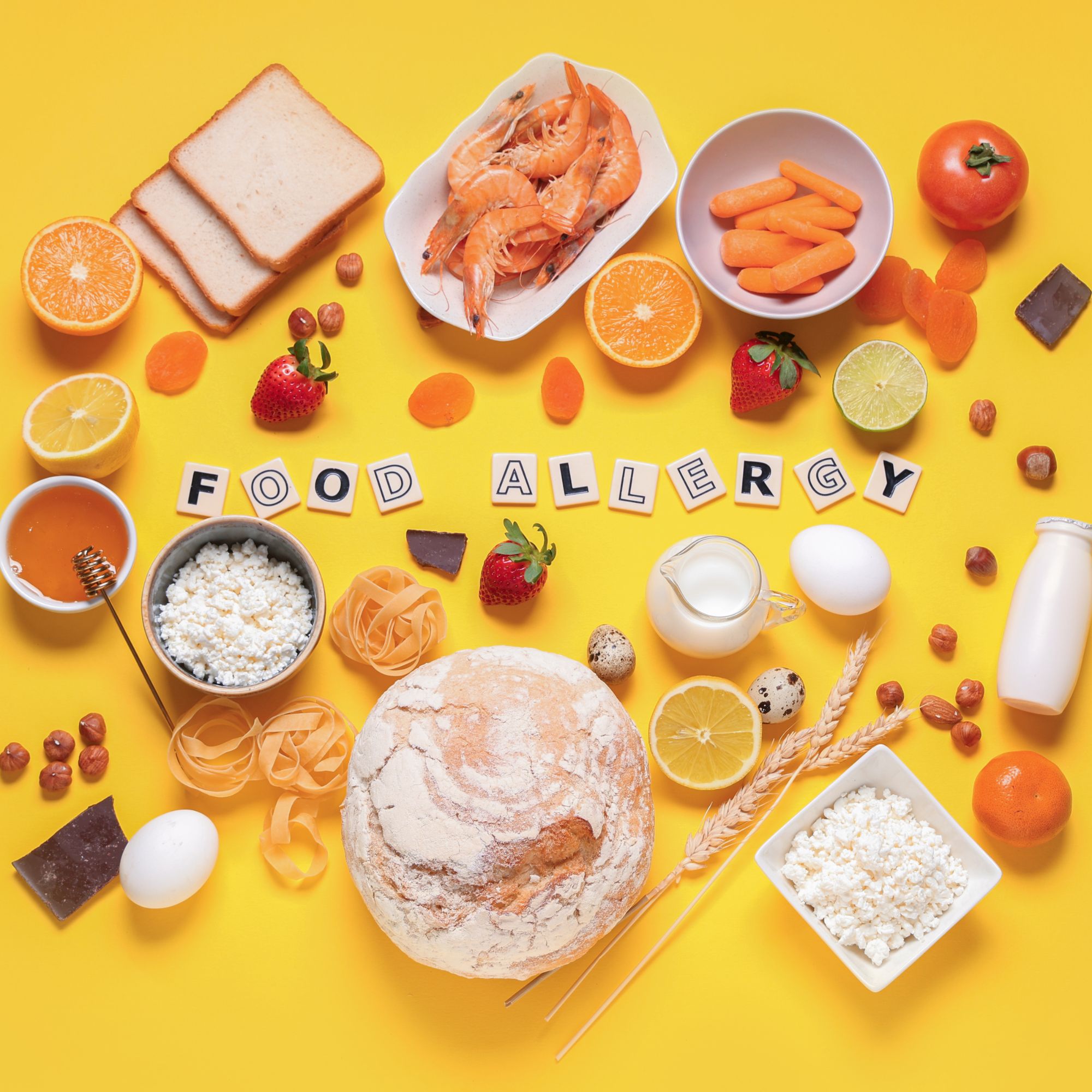
One of the most overwhelming parts of an EoE diagnosis is figuring out what to actually eat. The standard advice — "avoid your triggers" — sounds simple until you realise that identifying those triggers takes months, that hidden allergens are everywhere, and that the foods most likely to cause problems are also staples of everyday cooking.
As an MSc nutritionist who has supported my husband Luke through his EoE diagnosis, and as someone who has spent years working through exactly this challenge, I want to give you something more useful than a vague food list. This is a practical, evidence-informed guide to the EoE diet — what's generally safe, what to avoid, and how to approach eating in a way that is nourishing, manageable, and actually sustainable.
EoE triggers are highly individual. This guide reflects the most common dietary triggers based on current research, but your personal triggers will only be identified through a structured elimination and reintroduction process guided by your gastroenterologist and/or dietitian. Read about the elimination diet process here.
The Most Common EoE Food Triggers
Research consistently identifies six food groups as responsible for the majority of EoE cases. These are the foods targeted in the Six Food Elimination Diet (SFED), which is one of the most well-studied dietary treatments for EoE:
- Dairy (milk) — the most common EoE trigger, implicated in up to 50–60% of cases
- Wheat — the second most common trigger
- Eggs
- Soy
- Tree nuts and peanuts
- Seafood (fish and shellfish)
Some practitioners also include corn and beef/chicken in extended elimination protocols, though evidence is less consistent for these.
EoE Safe Foods vs. Foods to Avoid
- Rice and rice-based products
- Quinoa, oats (check for cross-contamination)
- Most fruits and vegetables
- Chicken and turkey (unless individually triggered)
- Lamb and pork
- Legumes (lentils, chickpeas, beans)
- Coconut milk and oat milk (dairy-free)
- Olive oil, avocado oil
- Seeds (sunflower, pumpkin, hemp)
- Herbs and most spices
- All dairy: milk, cheese, yogurt, butter, cream, whey
- Wheat: bread, pasta, flour, most baked goods
- Eggs and egg-containing products
- Soy: tofu, edamame, soy sauce, miso, tempeh
- Tree nuts: almonds, cashews, walnuts, pistachios
- Peanuts and peanut butter
- All fish and shellfish
- Foods with hidden allergen labels
Hidden Dairy in Food Labels
Dairy is the trickiest trigger to avoid because it appears under many different names. When reading food labels for an EoE diet, watch for:
- Casein, caseinate, sodium caseinate
- Whey and whey protein
- Lactalbumin, lactoglobulin
- Lactose
- Ghee and butter
- "May contain milk" warnings
- Caramel colouring (sometimes dairy-derived)
The same careful label-reading applies to wheat (look for barley, rye, spelt, kamut, semolina, farro), soy (hydrolysed vegetable protein, textured vegetable protein), and all eight major allergens.
Nutrition Challenges on the EoE Diet — and How to Address Them
Calcium and Bone Health
Removing dairy from the diet — especially long-term — significantly reduces calcium intake. This is one of the most important nutritional concerns in EoE management. Calcium-rich non-dairy sources include:
- Fortified plant milks (oat, rice, coconut — check labels)
- Tinned salmon with bones (if fish is tolerated)
- White beans and black-eyed peas
- Kale, bok choy, broccoli
- Fortified orange juice
- Calcium supplement (discuss with your doctor)
Protein Adequacy
When dairy, eggs, soy, nuts, and seafood are removed simultaneously, getting enough complete protein becomes challenging. Focus on:
- Poultry (chicken, turkey) — usually well-tolerated
- Lean red meat (beef, lamb, pork) — test individually
- Legumes — lentils and chickpeas are excellent if tolerated
- Rice protein powder — one of the few allergen-free protein supplements
Fibre and Gut Health
Removing wheat reduces fibre intake significantly. Prioritise fibre from vegetables, fruits, legumes, and gluten-free whole grains like quinoa and brown rice. Prebiotic inulin fibre (from sources like chicory root) can also help support gut microbiome health during dietary restriction.
"Identifying your EoE triggers is not about eating less — it's about eating smarter, with a system that protects your esophagus while keeping you nourished."
Texture Modifications During a Flare
During an active EoE flare — when inflammation and dysphagia are at their worst — food texture matters as much as allergen content. EoE-friendly textures during a flare include:
- Soft-cooked grains (porridge, congee, soft rice)
- Well-cooked vegetables (steamed, roasted until very soft)
- Smooth soups and broths
- Mashed potatoes, sweet potato, or butternut squash
- Slow-cooked meats that are tender and moist
- Smoothies and blended meals (check for allergen ingredients)
Avoid dry, dense, or chewy textures during flares: tough cuts of meat, crusty bread, raw vegetables, and anything with a coarse or sticky texture.
Eating Out with EoE
Navigating restaurants with EoE requires advance planning but is absolutely manageable. Tips that have worked for us:
- Research the menu online before you go and identify safe options
- Call ahead to ask about allergen protocols and cross-contamination practices
- Stick to simple preparations — grilled protein, steamed vegetables, plain rice
- Asian cuisines (Thai, Vietnamese, Japanese) often have rice-based options, but watch for soy sauce and fish sauce
- Carry a safe snack in case options are limited
- Don't be afraid to ask questions — a good restaurant will accommodate you
For a full guide to the EoE elimination diet process — including a structured reintroduction plan, safe recipe ideas, and label-reading cheat sheets — the EoE Nutrition Guide covers everything in one place.
Frequently Asked Questions
Is the EoE diet gluten-free?
Not exactly. EoE dietary management targets wheat specifically as an allergen, not gluten as such. However, in practice, eliminating wheat typically means avoiding most gluten-containing foods. Some people with EoE tolerate barley and rye, while others do not — this is determined through individual reintroduction testing.
Can you eat dairy-free cheese with EoE?
Most dairy-free cheeses are made from nuts (cashew, almond) or soy — both common EoE triggers. Look for coconut-based or rice-based dairy-free alternatives, and always check labels carefully for hidden allergens.
How long does it take to see improvement on an EoE elimination diet?
Most people begin to notice symptom improvement within 4–8 weeks of eliminating trigger foods. A repeat endoscopy is typically done after 6–12 weeks to assess histological response (eosinophil counts in the tissue).
Do you have to follow the EoE diet forever?
Not necessarily. The goal of an EoE elimination diet is to identify your specific triggers through a structured reintroduction process. Many people with EoE are only triggered by one or two foods, and once identified, only those foods need to be avoided long-term.