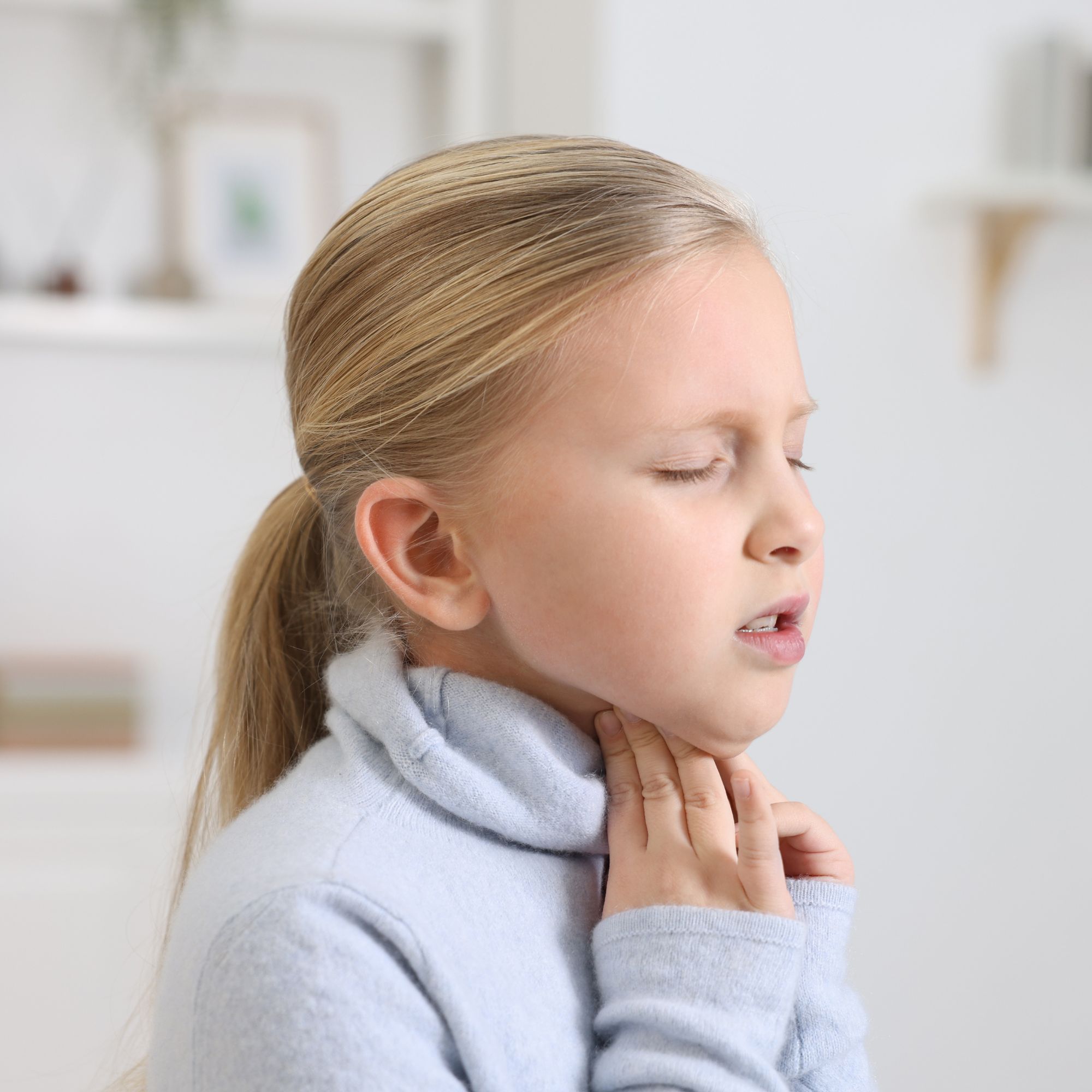
Eosinophilic esophagitis was first formally described in children. The early research was paediatric. The first documented cases were kids who couldn't eat, who gagged, who vomited, who refused food — and whose parents were told, again and again, that nothing was wrong.
If you're reading this as a parent, you may already be in that place. You've watched your child struggle at mealtimes. You've heard "picky eater" more times than you can count. You've pushed for answers and been handed vague reassurances. Or maybe you've just received the diagnosis and you're trying to figure out what comes next.
Either way, this is for you.
What Is EoE and Why Does It Affect Children?
Eosinophilic esophagitis (EoE) is a chronic immune-mediated condition in which eosinophils — a type of white blood cell — accumulate in the lining of the esophagus in response to food allergens or environmental triggers. The resulting inflammation damages the esophagus, making swallowing painful, difficult, or sometimes impossible.
EoE affects people of all ages, but it is particularly common in children — especially boys, who are diagnosed at roughly three times the rate of girls. Children with other allergic conditions like asthma, eczema, hay fever, or food allergies are at significantly higher risk. If your child already has one allergic condition, EoE is worth having on your radar.
The condition is not caused by bad parenting, by how you introduced foods, or by anything you did wrong. EoE is an immune disorder with a strong genetic component. Understanding this is important — both for your own peace of mind and for how you support your child emotionally through diagnosis and treatment.
EoE Symptoms in Children: What to Watch For by Age
One of the reasons EoE is so frequently missed in children is that symptoms look very different depending on age. A toddler and a teenager with EoE will present in almost completely opposite ways.
- Refusing feeds or breast/bottle
- Arching back during feeds
- Frequent vomiting or spitting up
- Crying or distress during or after eating
- Poor weight gain or failure to thrive
- Sleep disturbances from discomfort
- Refusing certain foods or textures
- Eating very slowly or cutting food into tiny pieces
- Complaints of tummy ache or chest pain after eating
- Frequent vomiting, especially after meals
- Gagging on foods that other children eat easily
- Needing large amounts of water to get food down
- Dysphagia (difficulty swallowing), especially with meat or bread
- Food getting stuck in the throat or chest
- Heartburn or chest pain that doesn't respond to antacids
- Avoiding social eating or making excuses at mealtimes
- Anxiety around food or restaurants
- Secretly eating very small portions
In younger children, the most common red flag is persistent feeding difficulty combined with vomiting or food refusal — particularly when paired with other allergic conditions. In older children and teens, difficulty swallowing solid foods (especially meat and dense breads) should prompt a gastroenterology referral, even if other symptoms seem mild.
"EoE in children is often misread as 'picky eating.' It is not a behaviour problem. It is a physiological response to inflammation — and it deserves a medical diagnosis, not a parenting intervention."
How Is EoE Diagnosed in Children?
Like adults, children cannot be diagnosed with EoE on symptoms alone. Diagnosis requires an upper endoscopy with oesophageal biopsy performed by a paediatric gastroenterologist. The procedure is done under general anaesthetic for young children, so it naturally feels daunting for parents.
The biopsy will show how many eosinophils are present per high-power field. A count of 15 or more eosinophils per high-power field (eos/hpf) in the oesophagus confirms EoE. Your gastroenterologist may also look for other signs during the endoscopy — white exudates (spots), rings, furrows, or narrowing of the oesophagus — which are common visual findings in EoE.
- Keep a symptom diary for 1–2 weeks before the appointment: what was eaten, what happened, how long it lasted
- Ask specifically about EoE by name — many GPs are still unfamiliar with it
- Request a referral to a paediatric gastroenterologist, not just a general paediatrician
- Mention any family history of allergic conditions, asthma, or eczema
- Ask whether allergy testing (skin prick or patch testing) is appropriate alongside the endoscopy
Treatment Options for Children With EoE
There are three main treatment approaches for paediatric EoE, and many children use a combination:
1. Dietary Management
The six food elimination diet (SFED) — removing dairy, wheat, eggs, soy, tree nuts, and seafood — is the most evidence-based dietary treatment and can achieve remission in approximately 70% of children with EoE. Alternatively, some centres use a targeted elimination diet based on allergy testing results, or begin with a two or four-food elimination before moving to the full six.
Dietary management in children requires careful nutritional support, as removing multiple food groups during critical growth years carries real risks for calcium, protein, iron, and energy intake. This is where working with a paediatric dietitian — and having resources like the EoE Nutrition Guide — makes a real difference.
2. Proton Pump Inhibitors (PPIs)
Some children respond to high-dose PPI therapy (acid-suppressing medication), which can reduce eosinophilic inflammation in a subset of EoE patients. PPIs are often tried first as they are non-invasive, but they do not identify trigger foods and symptoms typically return when medication stops.
3. Topical Corticosteroids
Swallowed (not inhaled) corticosteroids — typically fluticasone or budesonide formulated to coat the oesophagus — are commonly used in paediatric EoE. They are effective at reducing inflammation and are considered safe for medium-term use under medical supervision. Like PPIs, they manage rather than resolve the underlying food trigger.
How Parents Can Help at Home
Make Mealtimes Safe, Not Stressful
Children with EoE often develop significant anxiety around food — not because they're being difficult, but because eating has genuinely hurt them. They have learned, through repeated painful experience, that mealtimes are associated with discomfort. This is a protective response, not defiance.
The most important thing you can do at home is make mealtimes calm and pressure-free. Avoid commenting on how much or how little your child eats. Avoid making food a point of conflict. Your child needs to re-associate the table with safety — and that only happens when there is no fear of pressure or disappointment attached to every bite.
Learn the Safe Foods and Cook for Them
During the elimination phase, your child needs meals that are genuinely enjoyable within the dietary constraints — not just safe but actually good. This matters enormously for compliance and for your child's quality of life. Rice pasta with a simple meat sauce. Roast chicken with mashed potato and gravy (check the stock). Banana oat pancakes with coconut milk. These aren't deprivation meals — they're real food your child can look forward to.
The EoE meal plan on this site is a good starting point, and the EoE Nutrition Guide includes a full kid-friendly meal plan designed specifically for the elimination phase.
Prepare the School Environment
School is one of the most complex environments for a child with EoE. Cafeteria lunches, birthday cupcakes, class food projects, school camps — all of these require planning and communication. Here's how to manage it:
- Meet with the school nurse and class teacher early in the school year. Explain EoE, the elimination diet requirements, and the risk of food impaction.
- Provide a written care plan including what foods to avoid, what a reaction looks like, and when to call you or seek emergency help.
- Pack lunches from home during the elimination phase — cafeteria meals are too difficult to navigate safely without full ingredient information.
- Send a safe alternative for birthday celebrations and class parties so your child always has something to eat.
- Talk to your child about how to explain their diet to friends in an age-appropriate way — "I have a condition that means some foods make me sick" is enough for most children.
Watch for Signs of Food Anxiety or Disordered Eating
Children with chronic EoE are at elevated risk of developing food anxiety, avoidant/restrictive food intake disorder (ARFID), and disordered eating patterns. Years of painful meals, restricted diets, and the unpredictability of symptoms can fundamentally alter a child's relationship with food.
Warning signs to watch for include: refusing to eat in public or at school, severe anxiety before meals, extreme restriction beyond what the elimination diet requires, significant weight loss, or visible distress around any food-related situation. If you notice these patterns, ask your gastroenterologist for a referral to a paediatric psychologist or feeding specialist who has experience with medically complex diets.
Prioritise Growth-Critical Nutrients
Children have higher nutritional needs per kilogram of body weight than adults, and they're growing — which makes nutritional gaps during the SFED riskier. The nutrients most at risk are:
- Calcium and vitamin D — critical for bone development; use fortified coconut or rice milk, leafy greens, chia, canned salmon (if seafood is not a trigger)
- Protein — for growth and tissue repair; prioritise meat, legumes, hemp and pumpkin seeds
- Iron — especially for girls approaching puberty; red meat, lentils, fortified cereals
- Energy — many children undereat during elimination due to restricted options; focus on calorie-dense safe foods like avocado, coconut milk, olive oil, nut-free seed butters
- Zinc — important for immune function and growth; beef, lamb, chickpeas, pumpkin seeds
Ask your gastroenterologist for a referral to a paediatric dietitian at diagnosis — not as an afterthought. Nutritional monitoring should be part of your child's standard EoE care from day one.
"Your child doesn't need a perfect diet. They need a safe one — and a parent who is calm about it."
Talking to Your Child About EoE
How you talk about EoE with your child matters enormously. Children take their emotional cues from their parents. If you are frightened, overwhelmed, or treat every meal like a minefield, your child will feel that. If you are matter-of-fact, practical, and positive — "this is just how our bodies work, and we've figured out how to eat really well around it" — your child is far more likely to approach their diet the same way.
Age-appropriate explanations help. For a young child: "your throat doesn't like certain foods, so we eat different ones — and our food is just as yummy." For a school-age child: "your body makes too many cells called eosinophils in your throat when you eat certain things — so we're figuring out which foods cause it and taking them out." For a teenager: give them the full picture. Teenagers who understand their diagnosis are more motivated to manage it.
Let your child have ownership over their diet where possible. Let them help choose meals, experiment with safe recipes, decide what to bring to parties. Agency reduces anxiety. A child who feels in control of their diet — rather than controlled by it — copes significantly better.
Looking After Yourself as a Parent
This part is rarely discussed, and it should be. Managing a child's EoE is exhausting. Label reading, meal planning, school communication, repeat endoscopies, watching your child struggle — all of it takes a toll. Parent burnout in chronic paediatric illness is real and well-documented.
Find your community. EoE parent groups (on Facebook, Reddit, and through organisations like APFED) connect you with families who genuinely understand. Speak openly with your partner or support network about how you're managing. And accept that you will not do this perfectly every day — and that's okay. Your child needs you to be sustainable, not flawless.
Frequently Asked Questions: EoE in Children
Can children outgrow EoE?
EoE is generally considered a chronic condition that does not resolve on its own. However, some children do respond very well to dietary management and can achieve long-term remission by eliminating specific trigger foods. A small subset of children may appear to outgrow it clinically, but most gastroenterologists recommend continued monitoring even when symptoms resolve, as the underlying inflammatory tendency often persists.
Is EoE hereditary? Could my other children have it?
Yes — EoE has a strong genetic component. First-degree relatives (siblings, parents, children) of someone with EoE have a significantly elevated risk. If one child in the family is diagnosed, it's worth discussing screening for siblings with your paediatrician, particularly if they show any feeding difficulties, allergic conditions, or swallowing symptoms.
How often does my child need an endoscopy?
During active diagnosis and the elimination/reintroduction phase, endoscopies are typically needed every 6–8 weeks to assess response. Once triggers have been identified and the diet is stable, monitoring frequency is reduced — typically annually or when symptoms change. Your gastroenterologist will advise on the appropriate schedule for your child's specific case.
My child refuses to eat anything on the elimination diet. What do I do?
This is one of the most common and most difficult challenges in paediatric EoE management. Sensory aversions, food anxiety, and ARFID-like patterns are common in this population. Don't try to manage this alone — ask for a referral to a paediatric feeding therapist or occupational therapist with experience in medically complex diets. Food chaining (gradually bridging from accepted foods to new ones) and positive food exposure without pressure are well-supported approaches.
What do I do if my child has a food impaction at school?
Food impaction — food genuinely stuck in the esophagus that cannot pass — is a medical emergency. Do not give your child water or try to dislodge the food. Go immediately to the emergency department. Make sure your school has a written plan that clearly identifies food impaction as a potential emergency requiring immediate medical attention, not just a "choking episode" to be resolved with first aid.