When my partner Luke was diagnosed with eosinophilic oesophagitis, the gastroenterologist handed him a printout that said "consider dietary elimination" and sent him on his way. No guidance on what that actually meant in practice. No meal ideas. No explanation of what "six weeks of elimination" looks like when you're also trying to hold down a job and eat dinner with other humans.
That gap is exactly why I put this guide together. The six-food elimination diet — known as the SFED — is genuinely one of the most effective non-pharmacological treatments for EoE. Studies consistently show remission rates between 50 and 72 percent. But it only works if it's done properly, and "properly" requires a lot more practical detail than most people are given at diagnosis.
This is the guide I wish we'd had from the start.
What Is the Six-Food Elimination Diet?
The SFED removes the six most common dietary triggers of EoE simultaneously for a defined period, typically a minimum of six weeks, before a repeat endoscopy is performed to assess oesophageal healing. If inflammation has resolved, foods are reintroduced one at a time — each followed by another endoscopy — to identify which specific food or foods are driving the condition.
It was developed in the late 1990s and has since become the gold-standard dietary approach for EoE management. Unlike allergy testing (which has poor predictive value for EoE because the mechanism is not classic IgE-mediated allergy but a complex Th2-driven eosinophilic response), the SFED works by systematically removing the foods that research has identified as the most common culprits and then using the gut's own healing response as the diagnostic tool.
The six foods removed are:
- Dairy (milk, cheese, yoghurt, butter, cream, whey, casein)
- Wheat (and other gluten-containing grains — more on this below)
- Egg (both white and yolk)
- Soy (including soy lecithin, soy protein, edamame, miso, tempeh)
- Tree nuts (almonds, cashews, walnuts, pecans, pistachios, hazelnuts, macadamias, Brazil nuts, pine nuts)
- Seafood and fish (all species — finfish, shellfish, crustaceans)
Note that peanuts are technically a legume, not a tree nut, and are not eliminated in the standard SFED. Some gastroenterologists do recommend removing them as well — especially if there's a known peanut sensitivity — so it's worth confirming the exact protocol with your treating team.
Why These Six Specifically?
These foods were identified through large cohort studies as the most frequent triggers across the EoE population. Dairy is implicated in roughly 50 to 60 percent of cases. Wheat comes next at around 50 percent. Egg, soy, and seafood each account for a smaller but still significant proportion. Tree nuts round out the list.
It's important to understand that EoE triggers are not universal. Luke's triggers turned out to be dairy and wheat — but we've spoken with people in the EoE community whose only trigger is egg, or soy, or a combination that's entirely different. The SFED isn't about confirming a universal rule; it's about using systematic elimination and structured reintroduction to figure out what's true for your oesophagus.
This is also why jumping straight to a less restrictive "two-food" or "four-food" elimination might miss a trigger for some people, even though those abbreviated protocols work well for others. The full SFED gives you the cleanest baseline.
The SFED targets wheat, not all gluten-containing grains. However, many gastroenterologists recommend avoiding barley and rye as well, because cross-reactivity is common and barley in particular (found in many beers, malt extracts, and processed foods) can confound results. Oats are generally safe unless there's confirmed oat sensitivity, but check with your gastroenterologist. When in doubt, stick to certified gluten-free oats during the elimination phase.
How to Do the Elimination Phase Properly
Duration and compliance
Six weeks is the minimum for the elimination phase, and this is non-negotiable. Oesophageal tissue takes time to heal and for eosinophil counts to normalise. Some gastroenterologists prefer eight weeks, particularly in cases where inflammation was severe at baseline. The repeat endoscopy should happen at the end of this window — not before.
Compliance needs to be absolute. This is the part that catches people out. A single accidental exposure — a shared cooking surface, a hidden ingredient, one bite of something "probably fine" — can restart the inflammatory process and invalidate your results. This isn't about being precious; it's about protecting the diagnostic integrity of a protocol you're investing weeks of your life in.
Read every label
Dairy and wheat in particular hide in processed foods under names you might not recognise at first glance. The hidden sources section below covers this in detail, but the general rule is: if you're not certain an ingredient is safe, don't eat it during the elimination phase.
Tell your support network
Restaurants, family dinners, work lunches — these all require advance communication. We found it helpful for Luke to have a short, clear explanation ready: "I'm on a medically prescribed elimination diet for a digestive condition, and I need to avoid dairy, wheat, egg, soy, tree nuts, and all seafood completely." Most people respond well when it's framed medically rather than as a preference.
Work with a dietitian if you can
Not everyone has access to an EoE-experienced dietitian, which is part of why resources like the Be Free From EoE bundle exist — to fill that gap with practical, evidence-based guidance. But if you do have access to a dietitian who understands EoE, use them. Nutritional adequacy during the SFED requires some planning, and having support makes the process less isolating.
Hidden Sources of the Six Foods
This is where the SFED gets complicated in practice. Here are the sneaky places each food turns up.
Dairy
Milk proteins (casein and whey) appear in: protein powders and bars, many breads and crackers (even some "plain" ones), deli meats and sausages, some potato chips and flavoured snacks, salad dressings, margarine, non-dairy creamers (check carefully — many contain casein), and some medications or supplements in capsule form. "Dairy-free" on a label refers to lactose, not milk protein — it does not mean safe for the SFED.
Wheat
Wheat starch and wheat derivatives appear in: soy sauce and tamari (unless specifically labelled wheat-free), many stocks and gravies, imitation meat products, some oats (cross-contamination), communion wafers, some vitamins and medications as filler, licorice and some confectionery, and many seasonings and spice blends.
Egg
Egg is used as a binder, glaze, and emulsifier in: pasta (most fresh pasta and many dried pastas), some rice crackers, mayonnaise, Caesar dressing, hollandaise, aioli, many baked goods, certain wines and juices (egg white is used as a fining agent), and processed meat products.
Soy
Soy lecithin is one of the most pervasive food additives and appears in: chocolate and carob products, many margarines and spreads, instant noodles, some breakfast cereals, many packaged snack foods, and cooking sprays. Soy protein concentrate appears in many meat alternatives and protein supplements. Note that soy lecithin is a highly refined oil and is considered safe by some EoE specialists — but during a strict elimination phase, it's cleaner to avoid it entirely.
Tree nuts
Cross-contamination is the main concern here — any product made in a facility that also processes tree nuts carries a risk. Pesto (usually made with pine nuts), many energy balls and bliss bars, granolas, trail mixes, and "health food" snacks are common hidden sources.
Seafood and fish
Fish sauce, Worcestershire sauce (traditionally contains anchovies), Caesar dressing (anchovies), some Asian condiments and fermented pastes, certain supplements (omega-3s, glucosamine from shellfish), and some stocks and broths.
5-Day SFED Meal Plan
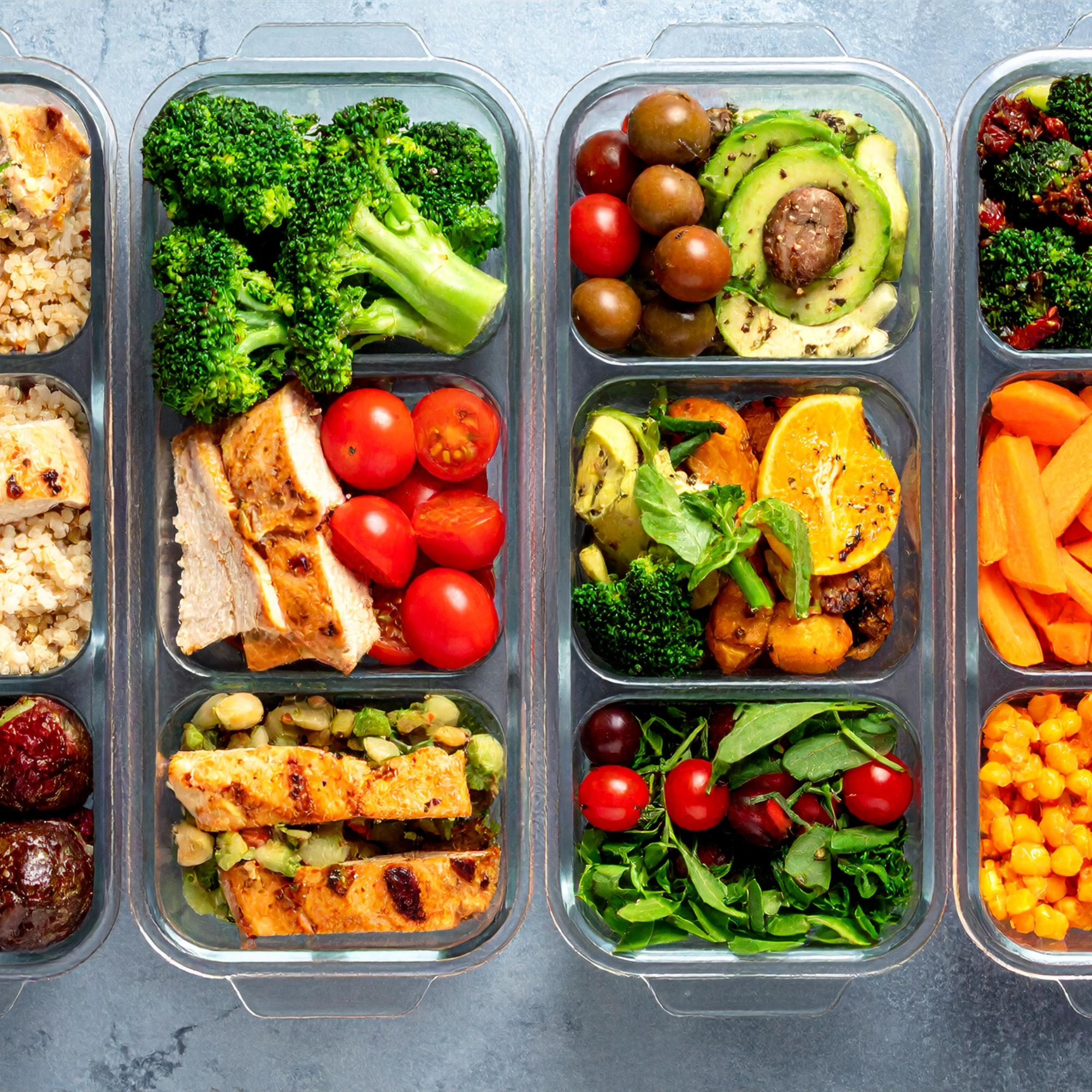
This meal plan is designed to show what a realistic, satisfying week of eating actually looks like on the SFED. All meals are free from dairy, wheat, egg, soy, tree nuts, and seafood/fish. Peanuts and peanut butter are included here (as they're not part of the standard six), but swap them out if your gastroenterologist has advised otherwise.
Day 1 — Monday
Breakfast: Certified gluten-free oats cooked with oat milk (check label — choose one without added vitamins derived from soy), topped with sliced banana, a drizzle of pure maple syrup, and hemp seeds.
Lunch: Large rice paper rolls filled with shredded roast chicken, rice vermicelli, avocado, cucumber, carrot, and fresh coriander. Dipping sauce: rice wine vinegar, lime juice, fish-sauce-free chilli paste, and a touch of coconut aminos instead of soy sauce.
Dinner: Chicken thighs pan-roasted with garlic, lemon zest, and fresh thyme, served with roasted sweet potato wedges and a simple green salad dressed with olive oil and lemon.
Snack: Apple slices with peanut butter (if permitted). Rice crackers (check label for egg and soy) with smashed avocado and sea salt.
Day 2 — Tuesday
Breakfast: Smoothie made with frozen mango and pineapple, coconut yoghurt (check it's free from soy and dairy — look for coconut or oat-based), a frozen banana for creaminess, and water or coconut water.
Lunch: Brown rice bowl with roasted chickpeas (seasoned with cumin and smoked paprika), roasted red capsicum, steamed broccolini, avocado, and a tahini dressing (tahini is made from sesame, which is not one of the six — fine to include; just check the label for cross-contamination if highly sensitive).
Dinner: Slow-cooked lamb shoulder with garlic and rosemary, served over mashed potato made with olive oil and dairy-free milk instead of butter and cream, with roasted root vegetables.
Snack: A handful of sunflower seeds and dried mango. Corn tortilla chips with fresh tomato salsa (check chips for soy and dairy — many plain corn chips are fine).
Day 3 — Wednesday
Breakfast: Gluten-free sourdough toast (rice and buckwheat based — confirm no wheat contamination) topped with mashed avocado, sliced tomato, salt, pepper, and a drizzle of olive oil.
Lunch: Leftover lamb in a gluten-free wrap (corn or rice tortilla) with shredded iceberg, pickled red onion, and a yoghurt-free tzatziki made from coconut yoghurt, cucumber, garlic, and fresh dill.
Dinner: Thai-inspired beef stir-fry using coconut aminos instead of soy sauce, with rice noodles, bok choy, bean sprouts, carrot, and fresh basil. Use a neutral oil (rice bran or coconut) and finish with fresh lime juice.
Snack: Popcorn (plain, air-popped or made with coconut oil — check flavoured varieties for dairy and soy). Fresh fruit.
Day 4 — Thursday
Breakfast: Chia pudding made the night before: 3 tablespoons chia seeds soaked overnight in oat milk (soy-free, dairy-free). Top with fresh raspberries and a drizzle of pure maple syrup.
Lunch: Large salad with mixed greens, roasted beetroot, cucumber, sunflower seeds, dried cranberries (check no soy oil coating), and a shredded chicken breast. Dress with olive oil, apple cider vinegar, Dijon mustard (check label), salt, and pepper.
Dinner: Roasted vegetable and chickpea tray bake with red onion, zucchini, eggplant, cherry tomatoes, and a generous amount of olive oil and harissa paste (check for soy-free). Serve over steamed white rice with fresh herbs.
Snack: Coconut yoghurt with frozen blueberries. Corn cakes with peanut butter and a drizzle of honey.
Day 5 — Friday
Breakfast: Gluten-free buckwheat pancakes (buckwheat flour, oat milk, a touch of maple syrup, baking powder, and a pinch of salt — egg-free works well when the batter is thin and the pan is properly greased). Serve with fresh strawberries and pure maple syrup.
Lunch: Minestrone-style soup using gluten-free pasta (rice or corn-based), cannellini beans, diced tomato, carrot, celery, zucchini, and a good gluten-free stock. Season generously with salt, pepper, and fresh parsley.
Dinner: Marinated chicken skewers (olive oil, lemon, garlic, oregano, and smoked paprika) grilled or oven-roasted, served with a big tabbouleh made with quinoa instead of bulgur wheat — fresh parsley, mint, cucumber, tomato, lemon, and olive oil. Add hummus on the side (check for soy-free tahini and no unexpected additives).
Snack: Fresh fruit platter. Coconut ice cream (check for dairy — many coconut-based ice creams contain soy lecithin, so choose carefully).
The biggest challenge on the SFED isn't finding safe meals — it's the fatigue of constant label reading and preparation. Batch cooking once or twice a week makes a significant difference. Cooked rice, roasted vegetables, grilled chicken, and cooked legumes keep well in the fridge for four to five days and can be assembled into quick meals with minimal effort. Luke found Sundays spent batch cooking were the single most protective factor for compliance during the week.
Nutritional Gaps to Watch
The SFED eliminates several food groups that contribute meaningfully to specific nutrients. Understanding these gaps — and how to address them — helps ensure you're not inadvertently creating deficiencies over a six-to-twelve-week elimination period.
Calcium (without dairy)
Dairy is the most concentrated dietary source of calcium for most people, so its removal requires deliberate compensation. Good SFED-safe calcium sources include: canned salmon and sardines (note — if your protocol removes all fish, this isn't available during elimination, but is useful in reintroduction), calcium-set tofu (but soy is eliminated), fortified oat or rice milk, canned white beans and chickpeas, edamame (eliminated), broccoli, kale, bok choy, and fortified orange juice. Aim for three to four servings of calcium-rich plant foods daily. If dietary intake is consistently low, a calcium supplement may be warranted — discuss with your treating team.
Protein (without egg, seafood, and potentially reduced meat variety)
The SFED removes two of the most bioavailable protein sources (egg and seafood). Focus on: chicken, turkey, beef, lamb, pork, and legumes (lentils, chickpeas, kidney beans, cannellini beans). Pea protein powder is a useful supplement if protein needs are high — just check the label for soy or dairy cross-contamination.
Omega-3 fatty acids (without fatty fish)
Oily fish is the most efficient dietary source of anti-inflammatory EPA and DHA. Without it, options are flaxseed (ground or oil), chia seeds, hemp seeds, and walnuts (eliminated in the SFED). This means plant-based omega-3s during elimination, which provide ALA rather than direct EPA/DHA. An algae-based omega-3 supplement is worth considering for the duration of the elimination phase, particularly if the person with EoE has significant baseline inflammation.
B vitamins (without wheat-based fortified foods)
Many wheat-based staples (bread, cereal, pasta) are fortified with B vitamins, particularly folate, B1, B2, and niacin. When these are removed, it's worth choosing fortified gluten-free alternatives where possible, and ensuring variety in whole food sources: leafy greens, legumes, meat, and eggs (when reintroduced).
Zinc and iron
Wheat germ and fortified cereals contribute to dietary zinc and iron. Red meat, legumes, pumpkin seeds, and sunflower seeds are all good SFED-safe sources. Eating vitamin C-rich foods alongside plant-based iron sources significantly improves absorption.
The Reintroduction Protocol
Once your gastroenterologist has confirmed healing via endoscopy, reintroduction begins. This phase is arguably more important than the elimination phase — it's where you actually find your answers. Done properly, it tells you exactly which food or foods are responsible for your EoE, so you can eat everything else freely.
One food at a time, six weeks each
Reintroduce one of the six food groups at a time, eating the target food regularly (at least once daily if tolerated symptomatically), for six weeks. At the end of those six weeks, an endoscopy is performed. If eosinophil counts remain low, that food is safe for you — keep eating it and move on to the next. If the endoscopy shows a return of inflammation, that food is likely a trigger — remove it again and give the oesophagus time to settle before trialling the next food.
Choosing reintroduction order
There's no universal consensus on which food to reintroduce first, but most guidelines suggest starting with the foods you'd most like back in your diet (for quality of life) or the foods least likely to be triggers based on your symptom history. For many people, this means starting with egg or soy, as they tend to have lower trigger rates than dairy or wheat in the literature.
Luke reintroduced soy first — endoscopy was clear. Then egg — also clear. Then tree nuts — clear. Then seafood — clear. Then wheat — and there it was. Then dairy — also a trigger. By the end of reintroduction, we had a precise picture: his EoE is driven by dairy and wheat. Everything else is back on his plate.
Managing symptoms during reintroduction
EoE is often (though not always) a symptomatically silent disease — oesophageal inflammation doesn't always cause the pain or dysphagia that many people expect. This is why endoscopy is essential for assessing reintroduction outcomes. Don't rely on symptoms alone to determine whether a food is safe; you can have significant eosinophilic inflammation without feeling particularly unwell. The biopsy result is what matters.
When the SFED Isn't Enough
The SFED is effective for many people, but it doesn't work for everyone. If a repeat endoscopy after full six-week elimination shows persistent eosinophilic inflammation despite strict dietary compliance, there are a few possibilities to discuss with your gastroenterologist:
- Incomplete elimination: A hidden trigger food is still sneaking in. A detailed dietary review with a dietitian is worth doing before concluding that the diet has failed.
- Non-dietary triggers: Aeroallergens (pollen, dust mites, moulds) can drive EoE independently of food. If inflammation persists despite clean dietary compliance, environmental allergen exposure may be contributing.
- Elemental formula: An amino acid-based elemental formula removes all potential food antigens and induces remission in over 90 percent of EoE cases. It's the most effective dietary intervention for EoE, but also the most demanding — it involves replacing all solid food with formula for a defined period. Some people use it as a diagnostic reset when the SFED hasn't clarified triggers.
- Medical management: Proton pump inhibitors, swallowed topical corticosteroids (budesonide, fluticasone), and newer biologics (dupilumab) are all established treatments for EoE that may be used alongside or instead of dietary approaches depending on individual circumstances.
EoE management is genuinely complex, and most people need a combination of strategies. Diet is a powerful tool — but it's one part of a broader picture that involves your gastroenterologist, potentially an allergist, and ideally a dietitian who understands the condition.
Frequently Asked Questions
Can I eat oats on the SFED?
Yes, provided they're certified gluten-free oats and your gastroenterologist hasn't specifically excluded them. Oats themselves are not one of the six eliminated foods, but conventional oats are often cross-contaminated with wheat during processing. Certified gluten-free oats remove that risk. If you're uncertain, check with your treating team.
Is soy lecithin safe on the SFED?
This is an area of genuine debate. Soy lecithin is a highly refined fat extract and contains very little soy protein, which is the component most likely to drive the immune response in EoE. Some EoE specialists consider it safe; others recommend avoiding it during a strict elimination phase to protect the integrity of the protocol. Our recommendation during the six-week elimination: avoid it. Once you're in the reintroduction phase and testing soy specifically, you can assess your individual response.
What if I accidentally eat one of the six foods?
First, don't panic. One accidental exposure is unlikely to cause a sudden severe reaction in most cases. But it does mean your elimination window should technically be restarted from that point to ensure a clean baseline for the endoscopy. How strictly you apply this depends on the degree of exposure and your gastroenterologist's guidance. Document what happened, notify your specialist, and discuss whether to extend the elimination period before scheduling the follow-up endoscopy.
Do I have to avoid my trigger foods forever?
Not necessarily forever, but for the foreseeable future — yes. EoE is a chronic condition, and continuing to expose the oesophagus to a confirmed trigger food will sustain inflammation and risk long-term complications like strictures and fibrosis. Some people find that strict avoidance over time, combined with other management strategies, allows for occasional exposure without significant consequences. But this is something to monitor with your gastroenterologist through regular endoscopy rather than assume. For Luke, dairy and wheat avoidance is now a permanent part of managing his health — but he eats everything else freely, and his quality of life is genuinely excellent.
What resources are available for doing the SFED properly?
The Be Free From EoE bundle covers the SFED in depth — including detailed guidance on elimination, hidden ingredient lists, reintroduction tracking, and meal planning across multiple stages of the EoE journey. It's the resource I built from our own experience and from my clinical training, specifically for people navigating EoE without adequate specialist support.