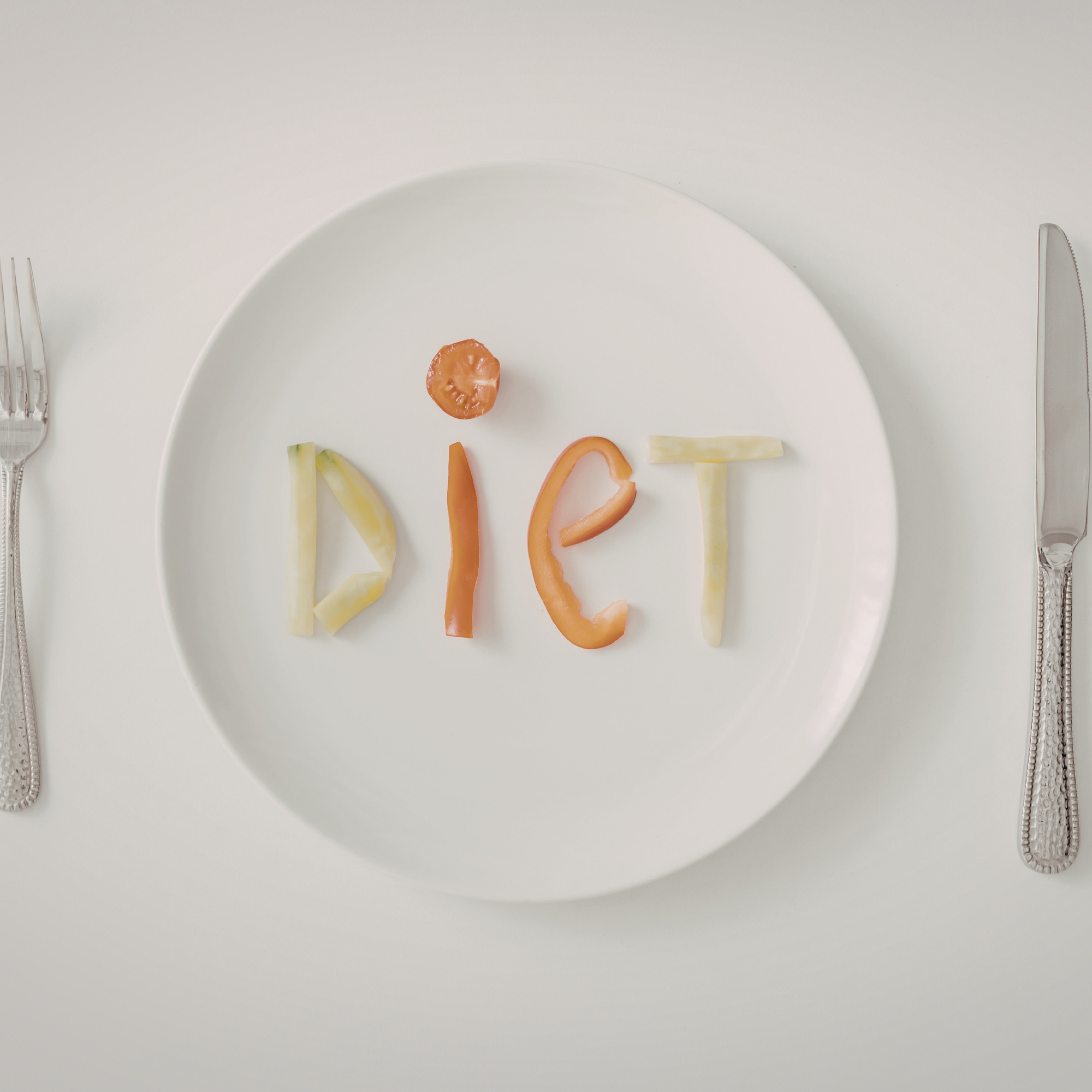
When Luke's gastroenterologist first mentioned the elemental diet, I watched his face go through about four emotions in the space of two seconds. Hope — because here was something that might actually work. Then confusion — what even is an elemental diet? Then reluctant curiosity. And finally, when the doctor explained it involved drinking nothing but a medical formula for six to eight weeks, something closer to dread.
If that sequence sounds familiar, you are in the right place. The elemental diet is the most powerful dietary tool we have for eosinophilic oesophagitis, with remission rates that put every other intervention to shame. It is also genuinely difficult to do, expensive, and not something most adults embark on without a lot of questions first.
This post covers everything you need to know before, during, and after an elemental diet for EoE — the science, the practicalities, the nutrition, the cost, and what happens when it is time to eat real food again.
The elemental diet for EoE is a medical intervention prescribed and monitored by a gastroenterologist, often in collaboration with a dietitian. This post is educational, not a protocol. Always work with your healthcare team before starting elemental feeding.
What Is an Elemental Diet, Exactly?
The term sounds clinical, and the concept is actually quite simple once you understand the reasoning behind it. An elemental diet means replacing all food with a specialised medical formula in which proteins have been broken down into their smallest possible components — free amino acids. There are no intact proteins, no peptides, and no food allergens in any recognisable form.
This matters enormously for EoE, because EoE is fundamentally an immune-mediated response to food proteins. The oesophageal tissue becomes infiltrated with eosinophils — a type of white blood cell — triggered by allergens passing through the digestive tract. Remove all intact proteins, and you remove the trigger entirely. The immune system calms down, eosinophil counts drop, and the oesophageal tissue has a chance to heal.
Elemental formulas contain:
- Amino acids as the protein source — pre-broken-down, hypoallergenic, and absorbed directly
- Simple carbohydrates (typically glucose polymers or corn syrup solids) for energy
- Fats in the form of medium-chain triglycerides (MCT) or a blend of vegetable oils
- Vitamins and minerals to meet daily requirements
The result is a nutritionally complete (in theory — more on the caveats below) liquid diet that your oesophagus barely has to work to tolerate, and that gives your immune system nothing to react to.
You may also hear about semi-elemental (or hydrolysed peptide) formulas. These use short protein chains rather than free amino acids, and are less broken down than true elemental formulas. For EoE, pure amino acid-based elemental formulas are generally preferred because even small peptides can occasionally trigger an immune response in sensitive individuals.
Why It Works — and How Well
The remission rates for elemental diet in EoE are genuinely striking. A widely cited meta-analysis of dietary therapies for EoE found histological remission rates of up to 90–95% with exclusive elemental feeding — far higher than any food elimination approach. In paediatric studies, rates of around 88–98% have been reported. In adults, the numbers are slightly lower but still impressive, typically in the range of 70–90% depending on the study population and remission criteria used.
To put that in context: the six-food elimination diet (SFED) — the most studied dietary approach for EoE — achieves histological remission in roughly 50–72% of adults. An empiric four-food elimination diet achieves around 50–60%. The elemental diet, when adhered to, consistently outperforms both.
"The elemental diet remains the most effective dietary treatment for EoE — not because food elimination fails, but because removing every possible allergen simultaneously is the most complete version of that strategy."
The mechanism is straightforward: because all intact protein is removed, there is simply nothing left to sustain the allergic inflammatory process. The oesophageal tissue is no longer under constant immune attack, eosinophil infiltration resolves, and the tissue architecture can begin to normalise. Symptom improvement — reduced dysphagia, less chest pain, easier swallowing — typically follows within a few weeks, though histological confirmation via endoscopy is still needed to confirm true remission.
When a Doctor Recommends Elemental Over Elimination
The elemental diet is not usually the first recommendation for newly diagnosed adults. Most gastroenterologists start with the SFED or a targeted elimination based on allergy testing results, because eating real food is considerably more sustainable than living on formula. The elemental diet tends to be recommended when:
- Elimination diets have failed — you have completed a thorough SFED (or multiple rounds of elimination) and still have active oesophageal inflammation on repeat endoscopy
- Multiple triggers are identified — if reintroduction testing reveals that you react to four, five, or six of the main allergen groups, the remaining diet becomes so restrictive that elemental feeding may actually be more practical
- Disease is severe or rapidly progressing — significant stricturing, weight loss, or inability to swallow safely may warrant the quickest and most effective route to remission
- Rapid remission is needed before a procedure — in some cases, elemental feeding is used to reduce inflammation ahead of oesophageal dilation
- In children who cannot manage food restriction — paediatric EoE management has historically relied heavily on elemental formula, particularly in young children or those with extreme food aversions
For adults, the calculus is genuinely individual. Your gastroenterologist will weigh up disease severity, quality of life, your ability to maintain adequate nutrition on a restricted diet, and your own preferences and circumstances. It is worth having an honest conversation about all of these — not just what will work best clinically, but what you can realistically sustain.
What It Is Actually Like to Do
There is no tactful way to say this: the elemental diet is hard. Not dangerous, not impossible — but genuinely demanding, and it helps enormously to go in with clear expectations rather than optimism that crumbles by week two.
The Taste Problem
Free amino acids taste bitter, sharp, and distinctly unpleasant. This is the most common reason people struggle with compliance. Unlike standard nutritional supplements — which are flavoured protein shakes — true elemental formulas have a taste that takes significant getting used to. Some people describe it as metallic, others as intensely savoury, others simply as medicinal. It does not taste like food, and it does not taste like a normal drink.
Elemental formula manufacturers have worked hard to address this, and commercially available products like Neocate Splash, EleCare, Vivonex, Tolerex, and EO28 Splash come in flavoured versions — lemonade, fruit punch, grape, and others — that can make the formula considerably more palatable. Many people find the flavoured versions tolerable when served very cold, over ice, or diluted slightly more than the instructions suggest.
The Social and Psychological Reality
Beyond taste, the social dimension of the elemental diet is significant. Food is how we connect with people. It is family dinners, lunch with colleagues, a coffee and something sweet with a friend. When you are on exclusive elemental formula, all of that changes. You may find yourself avoiding social situations that centre on eating, or sitting at a table with a carton of formula while everyone else has a meal. For Luke, the hardest part was not the formula itself — it was the feeling of being outside normal life, watching food-based social rituals from the outside.
This is worth planning for before you start. Some practical things that help:
- Tell the people close to you what you are doing and why — most people are far more understanding than you expect
- Identify the formula volumes and timing that work for your schedule and commit to them in advance
- Find non-food ways to participate in social situations — being present at the table even without eating matters
- Keep a log of symptoms so you have concrete evidence that it is working, which helps enormously on the days you want to quit
The Six to Eight Week Mark
Most protocols run for six to eight weeks of exclusive elemental formula, after which a repeat endoscopy assesses the tissue response. For most people in remission, this is where the hard part becomes the rewarding part — you have a clear result, and you begin the process of reintroducing food. For those not yet in remission, the protocol may be extended, which is genuinely demoralising and worth discussing with your gastroenterologist in advance.
Is a Partial Elemental Diet an Option?
Yes — and for many adults, a partial or mixed approach is more sustainable than exclusive formula feeding. In a partial elemental diet, formula provides a significant portion of daily calories (often 50–80%), with the remainder coming from foods that have been confirmed safe for that individual.
The evidence here is less robust than for exclusive elemental feeding, and remission rates are generally lower. A 2019 study found that partial elemental diet achieved histological remission in approximately 50% of adults — notably less than the 90%+ seen with exclusive use, but comparable to the SFED and potentially much more liveable.
Whether partial elemental is viable for you depends on:
- Whether you have any confirmed safe foods from previous elimination and reintroduction work
- Your disease severity — if inflammation is severe, full elemental may be required to achieve remission
- Your gastroenterologist's assessment of what a reasonable target looks like for your individual case
It is worth having this conversation explicitly. Some clinicians default to recommending exclusive formula without exploring the partial option, and for adults in particular, a partial approach that you can maintain may produce better long-term outcomes than a full protocol you abandon at week three.
Is Elemental Formula Nutritionally Complete?
This is one of the most important questions, and the answer is: mostly, but with real caveats worth knowing.
What It Covers Well
Commercially available elemental formulas are designed to meet macro and micronutrient requirements when consumed in the recommended volumes. For an adult, this typically means 1,500–2,500ml per day depending on your energy needs, with the formula providing protein (as amino acids), carbohydrates, fats, and the full range of vitamins and minerals. If you are consuming the correct volume, you should not be calorie-deficient or protein-deficient.
Where Gaps Can Appear
In practice, a number of nutritional concerns come up regularly:
- Calorie intake — most people underestimate how many calories they need to maintain weight on a liquid-only diet, and weight loss is common in the first two to three weeks. Tracking total volume carefully matters, especially if you are physically active.
- Fibre — elemental formulas contain no dietary fibre, which affects gut microbiome composition and bowel regularity. This is temporary, but worth expecting and managing (some clinicians add small amounts of approved soluble fibre if tolerated).
- Bone health — calcium and vitamin D are present in formula, but long-term exclusive elemental feeding can affect bone mineral density if extended beyond a few weeks. This is monitored in paediatric patients particularly.
- Iron — iron absorption from elemental formula is generally adequate, but individuals with a history of iron deficiency should have levels monitored.
- Selenium and zinc — some formulas are lower in these micronutrients than optimal; your dietitian can advise on whether supplementation is warranted based on the specific product you are using.
Ideally, your elemental diet trial should be supervised not just by your gastroenterologist but also by a dietitian who can calculate your individual energy requirements, monitor weight, and flag any nutritional concerns specific to your formula choice. If you are not already seeing a dietitian alongside your gastro team, it is well worth requesting a referral.
How to Make Elemental Formula More Tolerable
This is where practical experience really matters, because the clinical literature does not spend much time on the question of how to actually get the formula down. Here is what tends to help:
Temperature
Serving formula ice-cold dramatically reduces the intensity of the taste. Many people find that a formula they cannot stomach at room temperature becomes manageable straight from the fridge, or poured over crushed ice. Some people find warm formula easier — it is individual, so try both before deciding the formula is simply undrinkable.
Flavouring
For most amino acid-based formulas, small amounts of certain flavourings are considered safe during the elemental phase — typically pure fruit-based flavoured powders or very dilute cordials without artificial colours or preservatives. Your gastroenterologist should advise on what is permissible for your protocol. The commercially flavoured versions of most formulas are the simplest option and have been tested for palatability specifically.
Rate and Method
Sipping formula slowly through a straw tends to work better than trying to drink a full serving quickly — it reduces the time any single portion of formula sits on the taste buds. Some people find that taking formula via nasogastric (NG) tube is preferable to oral consumption, which is a legitimate option and is more commonly used in paediatric cases where oral compliance is especially difficult. Overnight NG tube feeding is an option some adults choose, allowing them to take the bulk of their formula while asleep.
Volume Management
Spreading formula intake across six to eight small servings throughout the day rather than three large ones is generally better tolerated and keeps energy levels more stable. A consistent schedule removes the decision-making fatigue of figuring out when and how much to drink each time.
The Cost and Access Reality
This is where we have to be honest about a real barrier. Elemental formula is expensive — significantly more expensive than standard nutritional supplements, and considerably more than food. In the UK, prescribed elemental formulas like Neocate or EO28 Splash are available on NHS prescription for paediatric patients, and access for adults varies significantly by clinical trust and the evidence base for the specific indication. In Australia, the PBS does not routinely subsidise elemental formulas for EoE in adults, though this is evolving as EoE gains greater recognition.
In the US, insurance coverage is inconsistent. Some insurers cover elemental formula when prescribed for EoE under a gastroenterologist's supervision; others do not. Out-of-pocket costs for six to eight weeks of exclusive elemental formula can run to several hundred dollars per week, making the total cost of a full protocol significant. This is a genuine equity issue in EoE management that the gastroenterology community is actively working to address.
Practical steps if cost is a concern:
- Ask your gastroenterologist to write a formal letter of medical necessity for your insurer or prescribing authority — this is often required and makes a significant difference to coverage decisions
- Request samples from formula manufacturers before committing — most companies provide trial packs on request, which also helps you identify which product you can tolerate before purchasing in bulk
- Check whether a partial elemental approach (lower formula volumes alongside safe foods) achieves adequate clinical response — this reduces cost substantially
- Patient advocacy groups for EoE, such as the American Partnership for Eosinophilic Disorders (APFED) in the US, often have resources on coverage appeals and financial assistance
Transitioning Off the Elemental Diet
For most people, the elemental diet is not meant to be permanent — it is a tool for achieving remission, after which the goal is to identify which foods can be safely reintroduced and build back a real diet. The reintroduction process after elemental feeding follows a similar logic to post-SFED reintroduction, but starts from a baseline of complete remission rather than partial.
The Standard Approach
Foods are typically reintroduced one at a time (or one food group at a time), held for two to four weeks per food, and then assessed via endoscopy. Because each assessment requires an endoscopy under sedation, the process is slow — often taking a year or more to work through multiple food groups. The sequence usually follows a low-to-high risk order:
- Fruits and vegetables (typically the lowest EoE risk)
- Meats and poultry
- Grains (starting with rice and corn, then other cereals)
- Legumes
- Eggs
- Soy
- Wheat/gluten
- Milk/dairy (highest EoE trigger rate — typically tested last)
What to Watch For
Symptom recurrence during reintroduction — dysphagia, food impaction sensation, chest pain, nausea — is a signal that the newly introduced food may be a trigger. However, it is important not to rely solely on symptoms, because EoE is notoriously "symptom-silent" in some phases. Histological assessment via endoscopy remains the gold standard for confirming whether a reintroduced food has caused oesophageal inflammation.
Formula volume is typically tapered down gradually as food reintroduction progresses — rather than switching overnight from full formula to full food, the formula acts as a nutritional safety net while real foods are being tested, and is reduced proportionally as more foods are cleared.
Some people achieve remission on elemental formula, successfully reintroduce several foods, and then see EoE reactivate — either because a trigger food has been introduced, because of environmental allergen exposure, or because disease activity fluctuates independently of diet. If symptoms return after successful reintroduction, a return to the gastroenterologist for assessment is the right first step, not immediately returning to formula. The picture may be more nuanced than it appears.
When Elemental Doesn't Work
In a small minority of cases — roughly 5–10% of patients — exclusive elemental formula does not achieve histological remission. This is relatively uncommon, and when it occurs, it raises the question of whether there is an additional non-food driver of inflammation (aeroallergens, acid reflux, or other factors) contributing to the disease. It can also indicate non-compliance with the protocol, which is common and worth addressing honestly with your clinical team rather than feeling embarrassed about.
When elemental diet fails despite genuine adherence, the next steps typically include:
- Review of the formula being used — switching to a different amino acid-based formula is sometimes tried, though the evidence base for this is limited
- Assessment of environmental allergen contribution — seasonal variation in EoE is well-documented, and some patients have disease that is driven more by airborne allergens than food
- Pharmacological treatment — topical corticosteroids (swallowed fluticasone or budesonide), or newer biologic therapies such as dupilumab, which is now FDA-approved for EoE in adults
- Combination approaches — using pharmacological therapy to achieve remission, then using dietary management to maintain it
A failed elemental diet trial does not mean your EoE is untreatable — it means you and your gastroenterologist need to look at the full picture of what is driving your disease, and potentially reach for different tools.
Frequently Asked Questions
Can you drink anything else on the elemental diet?
Water is always permitted. Black coffee and plain herbal teas are often allowed depending on your protocol, but should be confirmed with your gastroenterologist. Anything with flavouring, additives, or caloric content needs to be approved — even things that seem innocuous, like flavoured water or herbal supplements, may contain compounds that could sustain inflammation or compromise the purity of the dietary intervention.
How many calories do you need from elemental formula per day?
This depends on your individual energy requirements, which vary significantly by body size, activity level, and metabolic rate. Most adults need somewhere between 1,800 and 2,500 kcal per day. Your dietitian can calculate your specific requirements and convert them to the volume of formula needed based on the caloric density of the product you are using (most elemental formulas provide approximately 1 kcal/ml).
Is the elemental diet used for children with EoE?
Yes — elemental diet has historically been more commonly used in paediatric EoE than in adults, partly because children's dietary requirements can be met more simply through formula, and partly because food elimination in young children raises significant developmental and growth concerns. In children who cannot or will not drink the formula orally, nasogastric tube feeding is used and is a well-established approach in paediatric EoE management.
Will I lose weight on the elemental diet?
Some weight loss is common in the first week or two as you adjust to liquid feeding and often inadvertently under-consume calories. If you are careful about meeting your caloric target from day one, significant weight loss is avoidable. If weight loss is a concern — whether because you are already underweight due to EoE-related eating restriction, or because you have a history of disordered eating — this is worth discussing explicitly with both your gastroenterologist and your dietitian before starting.
How do I know if the elemental diet is working before my endoscopy?
Many people notice symptomatic improvement — easier swallowing, less chest discomfort, reduced nausea — within two to four weeks of starting the elemental diet, which is encouraging. However, symptom improvement does not always correlate with histological remission, and the reverse is also true: some people with active eosinophilic inflammation have minimal symptoms. The endoscopy at six to eight weeks is the definitive assessment, which is why completing the full protocol matters even when you start feeling better.
Can the elemental diet be used as long-term maintenance for EoE?
In some cases — particularly in children with multiple severe food triggers and in adults who are unable to maintain remission through any dietary or pharmacological means — long-term or semi-long-term elemental formula use has been employed as a maintenance strategy. This is not standard practice and comes with real quality-of-life and nutritional implications. Most gastroenterologists use elemental diet as an induction therapy, aiming to transition to the least restrictive maintenance strategy possible once remission is achieved.
The Bottom Line
The elemental diet is the most effective dietary intervention we have for EoE. When it works — and the majority of the time, it does — it can achieve remission that eliminates eosinophilic inflammation from the oesophageal tissue and restores normal function. That is not a small thing for people who have spent months or years struggling to swallow, managing food impactions, or steadily losing weight because eating has become so difficult.
It is also genuinely demanding, financially significant, and requires strong clinical support to do safely and well. Going in clear-eyed — about the taste, the social impact, the cost, the time commitment, and the reintroduction process that follows — is not pessimism. It is how you give yourself the best chance of completing the protocol and making the most of what it offers.
If you are navigating EoE and want a structured guide to the dietary side — the elimination approaches, the foods, the nutritional considerations, and the practical tools that make the whole process more manageable — the Be Free From EoE bundle covers all of it in one place. It is what I wish had existed when Luke was first diagnosed.