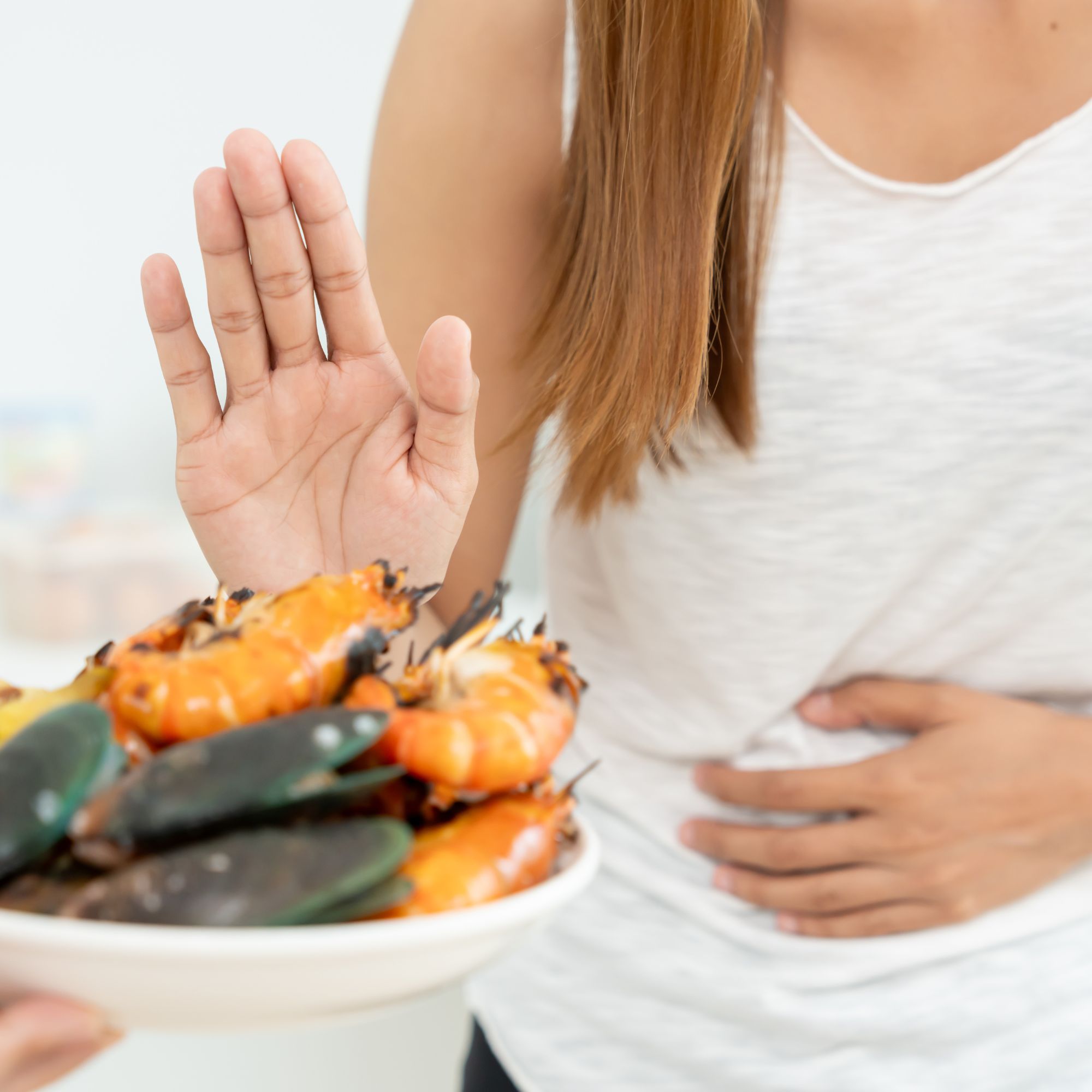
The words are still ringing in your ears: "You have Eosinophilic Esophagitis."
Finally, after months — or years — of wondering why food gets stuck, why eating feels like a struggle, you have answers. But now comes the question that's probably keeping you up at night: "What am I supposed to eat?"
If your doctor mentioned the Six Food Elimination Diet (SFED), you're likely feeling overwhelmed. Maybe even scared. I understand completely. When Luke was first told to eliminate six entire food groups, my immediate thought as his nutritionist was: "What's left?"
The truth? More than you think. And I'm going to walk you through every step of your first 30 days.
What Exactly Is the Six Food Elimination Diet?
The Six Food Elimination Diet (SFED) is currently the most effective dietary treatment for EoE, with research showing 72% of patients achieve remission when they eliminate these six food groups simultaneously:
- Milk and dairy — all cow's milk products, cheese, yogurt, ice cream
- Eggs — chicken eggs and all egg-containing foods
- Wheat — all forms of wheat, including bread, pasta, and most cereals
- Soy — soy sauce, tofu, soy milk, and the many places soy hides in ingredient lists
- Tree nuts and peanuts — all nuts, nut butters, and nut-derived ingredients
- Fish and shellfish — all seafood, including fish sauce and seafood extracts
These aren't random choices. Clinical studies identified these as the most common EoE triggers, responsible for inflammation in the majority of patients. By removing all six simultaneously, we give your oesophagus the best possible chance to heal — and a clean baseline from which to identify your specific triggers during reintroduction.
The SFED should be done under the supervision of your gastroenterologist and, ideally, a registered dietitian. This guide is educational support — not a replacement for your medical team's guidance.
Week 1: The Foundation Phase
Your Mental Game Plan First
Before we talk food, let's talk about what's happening in your head. Week one is hard — not because the diet is impossible, but because it's new and it feels like loss. Many newly diagnosed patients describe feeling overwhelmed by labels, anxious about social situations, frustrated by limited options, and worried about nutrition.
This is completely normal. What I can tell you from working through this with Luke is that this phase passes. By week three, most people report feeling more confident — and discovering foods they genuinely love.
"By week three, most EoE patients on SFED feel more confident and discover they actually enjoy many of their new safe foods."
Week 1 Meals to Start With
Keep it simple this first week. You don't need gourmet — you need reliable. Here's a starting framework:
- Steel-cut oats with berries and coconut milk
- Rice cereal with banana and coconut yogurt
- Smoothie with coconut milk, spinach, and mango
- Avocado on rice bread with sea salt
- Rice bowl with roasted vegetables and olive oil
- Sweet potato soup with coconut milk
- Big salad with avocado and olive oil dressing
- Rice pasta with dairy-free, nut-free pesto
- Grilled chicken with roasted vegetables and rice
- Beef stir-fry with rice noodles and coconut aminos
- Pork tenderloin with sweet potato mash
- Turkey meatballs with courgette noodles
- Fresh fruit with coconut yogurt
- Rice cakes with avocado
- Veggies and hummus (soy-free, nut-free)
- Coconut milk smoothie with safe protein powder
Your Week 1 Shopping List
Proteins
- Chicken, turkey, beef, pork
- Beans and lentils (soy-free)
- Hemp or pea protein powder
Grains & Starches
- Rice (all varieties)
- Rice pasta and rice bread
- Certified gluten-free oats
- Quinoa, millet, buckwheat
- Sweet potatoes and white potatoes
Dairy Alternatives
- Full-fat coconut milk
- Soy-free oat milk
- Rice milk
- Coconut yogurt
Pantry Staples
- Olive oil and coconut oil
- Coconut aminos (soy sauce replacement)
- Rice vinegar and apple cider vinegar
- Sea salt and single-ingredient herbs
Weeks 2–3: Building Confidence
Reading Labels Like a Pro
This is the skill that separates a stressful SFED from a manageable one. The six foods hide under many names:
- Dairy: Casein, caseinate, whey, lactose, ghee, buttermilk, cream
- Eggs: Albumin, lysozyme, meringue, nougat, marshmallow
- Wheat: Modified food starch, wheat starch, malt, malt flavouring, brewer's yeast, seitan, couscous, bulgur
- Soy: Natural flavours (sometimes soy-derived), vegetable oil (often soybean oil), lecithin (can be soy)
- Fish: Fish sauce, Worcestershire sauce, Caesar dressing, some Asian condiments
Meal Prep That Actually Works
The single biggest thing that will make or break your SFED is having safe food ready to grab. Spend 1–2 hours on Sunday doing this:
- Cook a big batch of rice — use throughout the week in bowls, stir-fries, and sides
- Roast a tray of vegetables — grab-and-go sides for every meal
- Grill or bake proteins — chicken thighs, ground turkey, or a batch of lentils
- Make smoothie packs — portion frozen fruits into bags so mornings take 2 minutes
With these four things done, you'll never be caught scrambling for something safe to eat mid-week.
Week 4: Expanding Your World
Eating Out on SFED
Restaurants are manageable — you just need a strategy going in. These are reliable options:
- Rice bowl restaurants (like Chipotle) — build your own with approved ingredients, skip the cheese and sour cream
- Steakhouses — simple grilled meats with vegetables are almost always safe; ask about butter on the grill
- Thai restaurants — rice-based dishes, request no fish sauce, no peanuts, and no egg (many can accommodate)
Questions to ask your server:
- "What oil do you cook with?"
- "Can you prepare this without butter or dairy?"
- "Does this contain soy sauce or any soy-based seasoning?"
- "Can I get the dressing on the side?"
Social Eating Without the Anxiety
This is the part no one talks about enough. EoE doesn't just affect what you eat — it affects your whole social relationship with food. A few things that helped Luke:
- Eat before you go to parties or gatherings where you're unsure of the food
- Bring a dish you can eat so there's always something safe on the table
- Keep a simple line ready: "I'm following a specific eating plan for a health condition" — most people accept this without further questions
- Focus on the people, not the food. The connection is what you're there for
What to Expect: Your Body's Timeline
- Possible fatigue as your body adapts to new foods
- EoE symptoms may persist — inflammation takes time to reduce
- Increased time reading ingredient labels
- Digestive changes as your gut microbiome adjusts
- More energy as routines become established
- Reduced anxiety around food choices
- Possible early improvement in swallowing
- Better sleep as inflammation begins to decrease
- Many patients notice meaningfully easier swallowing
- Reduced or eliminated food impaction episodes
- Better energy and mental clarity
- Increased confidence navigating safe foods
- Follow-up endoscopy to assess oesophageal healing
- Discussion with your doctor about reintroduction phases
- Begin adding foods back one at a time to identify your triggers
Staying Nutritionally Complete on SFED
One of the most common concerns I hear is: "Am I getting everything I need?" With the right approach, absolutely. Here's what to focus on:
Protein Without Eggs, Dairy, Nuts, or Fish
- Meat and poultry — chicken, turkey, beef, pork, lamb
- Beans, lentils, and legumes (confirm soy-free)
- Hemp seeds and pumpkin seeds
- Safe protein powders (hemp, pea, rice-based)
Calcium Beyond Dairy
- Leafy greens — kale, bok choy, collard greens, broccoli
- Fortified plant milks (oat, rice, or coconut)
- Tahini (sesame seed paste) — high in calcium
- White beans
B-Vitamins and Micronutrients
- Nutritional yeast (check for gluten-free labelling)
- Fortified rice products
- A quality B-complex supplement is worth discussing with your doctor
During the elimination phase, a simple multivitamin and a calcium supplement (if your diet is low in calcium sources) can give you peace of mind. Check with your doctor or dietitian about what's appropriate for you.
When Things Get Hard: The Mental Side of SFED
No one tells you this enough, so I will: the hardest part of the Six Food Elimination Diet is usually not the food — it's the grief, the social anxiety, and the moments when you just want to eat normally.
A few mindset tools that genuinely help:
- When you feel deprived: Write down 20 foods you CAN eat. The list is always longer than you think.
- When eating out feels impossible: Remember this phase is temporary. You are narrowing down your triggers, not living this way forever.
- When family doesn't understand: Educate where you can, find community online where you can't. EoE support groups on social media are genuinely helpful.
- When you accidentally eat something: One exposure doesn't undo your progress. Note it, continue, and move on.
"You're not on a diet. You're on an investigation — and every week brings you closer to knowing exactly what your body needs."
What Comes After 30 Days: The Reintroduction Phase
If your follow-up endoscopy shows healing, you'll begin reintroducing foods one at a time — typically starting with the least common triggers (fish and shellfish, then nuts) and ending with the most common ones (milk and wheat).
Each reintroduction involves eating the food for 6–8 weeks before another endoscopy confirms whether it caused a reaction. It's slow and methodical — but it's how you find your personal trigger foods and begin to expand your diet permanently.
For a detailed walkthrough of the reintroduction process, including the exact order and what to watch for, I cover this fully in the Be Free From EoE bundle — which also includes a full elimination-phase meal plan and recipe collection to take the guesswork out of every single meal.
Frequently Asked Questions
How long do I need to stay on the Six Food Elimination Diet before it works?
Most gastroenterologists recommend 6–8 weeks on SFED before a follow-up endoscopy to assess healing. Some patients show improvement earlier, but the biopsy at week 6–8 gives your doctor the information needed to decide whether to proceed to reintroduction.
Can I do the SFED as a vegetarian or vegan?
Yes, though it requires more careful planning since eggs, dairy, nuts, fish, and often soy are common vegetarian protein sources. Rice and pea protein, beans, lentils, and hemp seeds become essential. Working with a dietitian who understands both EoE and plant-based eating is particularly helpful in this case.
What if I accidentally eat one of the six foods?
If it was a small, unintentional exposure, continue the diet as normal and note it in your food diary. Some clinicians recommend restarting the 6–8 week clock after a significant accidental exposure, but discuss this with your gastroenterologist — they'll guide you based on your specific situation.
Is oat milk safe on SFED if I'm avoiding wheat?
Oats are naturally gluten-free, but most oat products are processed in facilities that also handle wheat — meaning cross-contamination is common. Look specifically for certified gluten-free oat milk. Some EoE patients also react to oats independently, so monitor how you feel and discuss with your doctor if you're concerned.
Will I have to do this forever?
No. The SFED elimination phase is temporary — it's a diagnostic tool, not a lifelong diet. Once your triggers are identified through the reintroduction process, most people only need to permanently avoid the 1–2 foods that actually cause their EoE. Many patients return to eating most of the six food groups without issue.