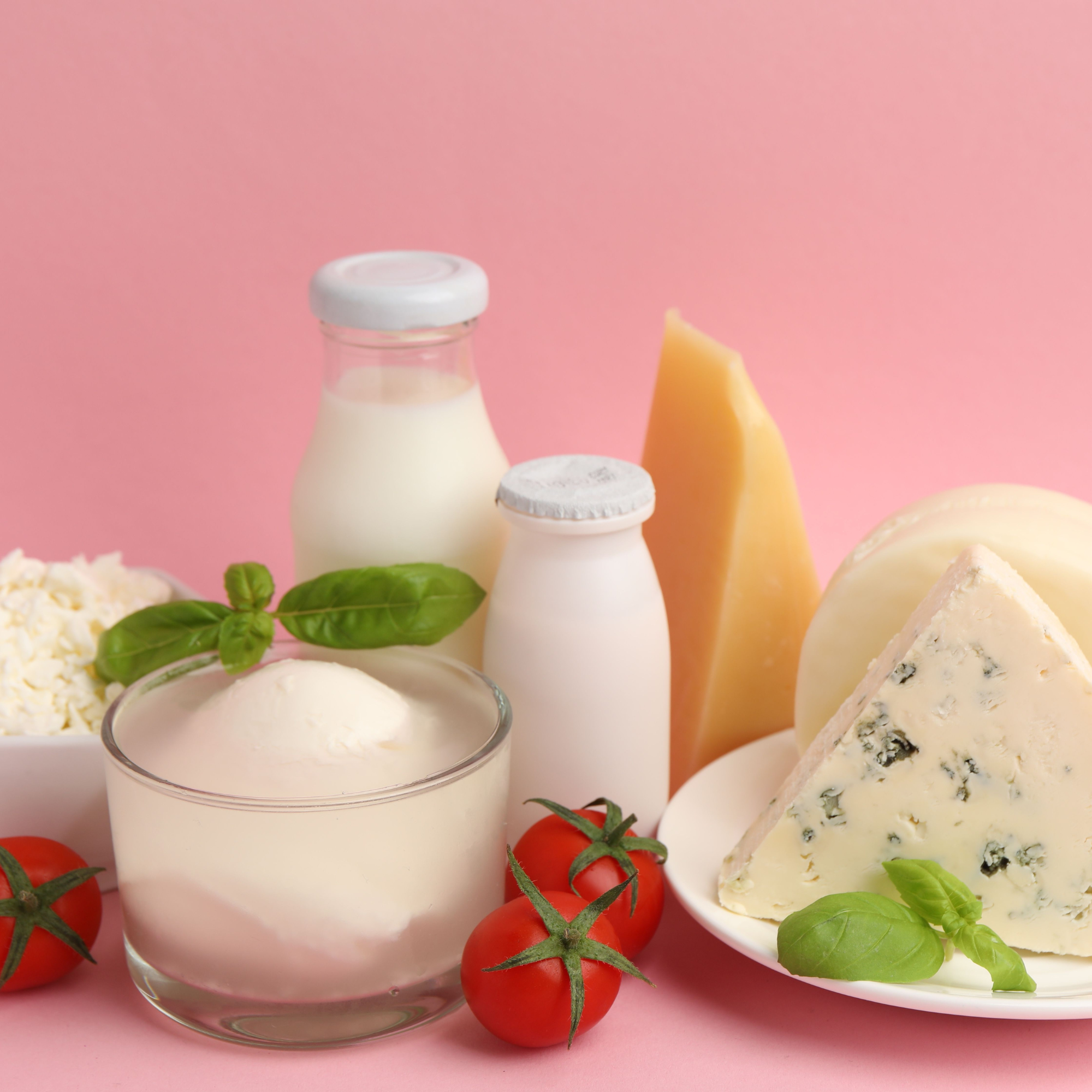
The moment Luke's gastroenterologist said "we need to eliminate dairy first," I thought: fine, we'll cut out milk and cheese. Done. What I did not anticipate was spending the next hour in the supermarket reading ingredient labels and realising that dairy is hiding in approximately half of the products on the shelf — under names I'd never once looked for.
That learning curve was steep and, at times, genuinely frustrating. A bought loaf of bread. A packet of crisps. A ham slice from the deli. A dark chocolate bar we'd specifically chosen thinking it was safe. All of them had some form of dairy sitting quietly in the ingredient list.
If you're newly navigating a dairy elimination for EoE — or you've been doing it for a while and still having symptoms despite thinking you're dairy-free — this post is for you. We're going to cover everything: why dairy triggers EoE at the biological level, every name it hides under, the foods that routinely catch people out, how to eat out, and what reintroduction actually looks like.
Why Dairy Is the #1 EoE Trigger
Research consistently identifies cow's milk as the most prevalent trigger in eosinophilic oesophagitis. Studies using the six-food elimination diet (SFED) have found dairy to be implicated in roughly 50–60% of EoE cases — making it by far the most common single antigen. Some studies looking at a four-food elimination approach (which removes dairy, wheat, egg, and legumes first) show similarly high rates of dairy involvement.
The mechanism matters here, because it changes how you approach elimination. EoE is not an IgE-mediated allergy in the classic sense. It's a Th2-driven immune response — a slower, non-anaphylactic reaction driven largely by eosinophil infiltration into the oesophageal tissue. The immune system becomes sensitised to specific proteins in dairy — primarily casein (which makes up about 80% of milk protein) and whey proteins including beta-lactoglobulin and alpha-lactalbumin — and mounts a chronic inflammatory response.
Because this isn't an immediate allergic reaction, you may not feel a response within minutes of eating dairy. The inflammation builds over days and weeks of exposure. That's partly why hidden dairy sources can silently drive ongoing symptoms even when you believe you've eliminated the food entirely.
EoE is not lactose intolerance. Lactose intolerance is a digestive enzyme deficiency — the body can't break down lactose sugar, causing bloating, gas, and loose stools. Lactose-free dairy products like Lactaid milk still contain all the same proteins (casein, whey) that drive EoE. Drinking lactose-free milk is not a safe option for an EoE dairy elimination. The trigger is the protein, not the sugar.
Every Name Dairy Hides Under on Labels
In Australia, the UK, and most countries with mandatory allergen labelling, "milk" must be declared as an allergen — but it doesn't always appear in the most obvious place or in the most obvious form. Here is a comprehensive list of dairy-derived ingredients to scan for.
The Obvious Ones
- Milk (cow's milk, whole milk, skimmed milk, semi-skimmed milk)
- Cream, sour cream, crème fraîche
- Butter, buttermilk, butter oil, butter fat
- Cheese (including cheese powder, cheese flavouring)
- Yoghurt
- Ghee
- Ice cream, milk chocolate
The Protein-Derived Ingredients
- Casein — the primary milk protein, used as a binding and emulsifying agent in many processed foods
- Caseinate (sodium caseinate, calcium caseinate, potassium caseinate) — casein salts widely used in processed meats, non-dairy creamers, and baked goods
- Whey — the liquid fraction of milk protein, common in protein powders, bread, and confectionery
- Whey protein concentrate / isolate / hydrolysate
- Lactalbumin (alpha-lactalbumin) — a whey protein fraction
- Lactoglobulin (beta-lactoglobulin) — another whey protein; notably absent from human milk but highly present in cow's milk
- Lactoferrin
- Lactulose — a synthetic sugar derived from lactose; less commonly found in food but present in some medications and supplements
- Hydrolysed milk protein
Other Dairy-Derived Ingredients
- Lactose — the sugar in milk; while the sugar itself doesn't trigger EoE proteins, its presence confirms the product is dairy-derived
- Milk solids / milk powder / skimmed milk powder / non-fat milk solids
- Milk fat
- Recombined milk
- Curds
- Rennet casein
- Dairy product solids
- Caramel colouring — occasionally produced using lactose as a fermentation substrate; worth querying with manufacturers if you're reacting to something unexpectedly
In Australia and New Zealand, milk must be declared in bold or in the allergen summary statement ("Contains: Milk"). In the UK, the 14 major allergens including milk must be emphasised in the ingredients list. Always check both the full ingredients list and the allergen declaration — some formulations list derivatives in the ingredients but not in the summary, or vice versa.
Don't rely on "dairy-free" marketing claims alone. Always read the actual ingredient list and the "May Contain" advisory.
Surprising Foods That Contain Hidden Dairy
This is where most people come unstuck. You know to avoid a glass of milk. You know to skip the cheese. But these are the foods that routinely catch EoE patients off guard:
Bread and Baked Goods
Many commercial bread loaves — particularly soft sandwich breads, rolls, and brioche-style products — contain milk powder, butter, or whey to improve texture and shelf life. Sourdough and traditional-style breads made with only flour, water, salt, and yeast are generally safe, but always check. Bakery items like croissants, muffins, scones, and most biscuits almost always contain butter or milk.
Crisps and Flavoured Snacks
Sour cream and chive, cheese, and "creamy" flavoured crisps obviously contain dairy. But even some plain or lightly salted varieties use milk-derived ingredients in their flavour base or manufacturing process. Some corn chips and rice crackers are safe — check each brand individually, because formulations vary.
Deli Meats and Processed Meats
This one surprises almost everyone. Sodium caseinate (a dairy protein) is used in many processed hams, turkey slices, salamis, and chicken loaf products as a binder and to retain moisture. It doesn't affect the taste or appearance, so there's no sensory way to detect it. Always read the label on deli meats — or choose whole, unprocessed cuts where ingredients are clear.
Non-Dairy Creamer
The name is deeply misleading. Many products sold as "non-dairy creamer" — including some powdered coffee creamers — contain sodium caseinate, a milk protein derivative. Under US labelling rules, sodium caseinate was historically permitted in products labelled "non-dairy" because it is a milk derivative rather than milk itself. Check the ingredients rather than trusting the label name.
Margarine and Some Dairy-Free Spreads
Many margarines are dairy-free, but not all. Some contain whey or milk solids. Brands positioned as butter alternatives for baking can be particularly tricky. Check each product specifically — the same brand may have a dairy-free version and a non-dairy-free version sitting next to each other on shelf.
Dark Chocolate
High-percentage dark chocolate (70%+) is often assumed to be dairy-free. Sometimes it is — but many dark chocolate products contain milk fat, milk solids, or "may contain milk" due to shared manufacturing lines. Vegan-certified dark chocolate is your safest option if you need to be strict.
Medication Coatings and Supplements
This is one of the most overlooked sources of hidden dairy exposure. Some tablet coatings use lactose as a filler or binder, and some supplement capsules include milk-derived ingredients. If you're taking a new medication and your symptoms have crept back unexpectedly, it's worth checking the inactive ingredients list or asking your pharmacist. This is particularly relevant for long-term daily medications.
Tinned Soups, Sauces, and Ready Meals
Cream soups, bisques, and many jarred pasta sauces are obviously dairy-containing. But even tomato-based sauces, gravies, and "plain" tinned soups sometimes include milk solids, butter, or cream for texture. Stir-through sauces and simmer sauces are particularly variable.
Protein Powders and Meal Replacements
Most standard protein powders are whey-based. Even products labelled "lean protein" or "clean protein" often use whey or casein as their primary protein source. Plant-based options (pea, rice, hemp) are dairy-free, but always check for cross-contamination warnings if the product is manufactured in a shared facility.
"The dairy wasn't always in obvious places. It was the bread he ate every morning, the deli ham in his lunch — things we'd been eating for years without a second glance."
Dairy Versus Lactose Intolerance: A Crucial Distinction
It bears repeating because it genuinely matters for how you shop and what you eat. Lactose intolerance and EoE are completely different conditions driven by completely different mechanisms.
Lactose intolerance occurs when the small intestine doesn't produce enough of the enzyme lactase to break down lactose, the sugar naturally present in milk. Symptoms are digestive — bloating, wind, abdominal cramps, loose stools — and they're dose-dependent. Many people with lactose intolerance can tolerate small amounts, or can eat hard cheeses and yoghurt (which are naturally lower in lactose), or can use lactase enzyme supplements to manage symptoms.
EoE is an immune-mediated inflammatory condition. The immune system reacts to dairy proteins — primarily casein and whey — not to lactose. Products that remove or break down lactose still contain the full complement of dairy proteins. Lactase enzyme supplements do nothing to address the protein that drives eosinophilic inflammation.
So: lactose-free milk is not safe for EoE dairy elimination. Lactase drops don't help. Hard cheeses aged to reduce lactose content still contain casein. The only relevant question for EoE is: does this product contain dairy proteins?
Practical Dairy-Free Swaps That Actually Work
Going dairy-free for EoE doesn't have to mean eating bland, beige food or feeling deprived. The plant-based food market has genuinely improved over the last decade, and there are solid alternatives for most dairy applications.
Milk Alternatives
Oat milk is the most versatile for general cooking and hot drinks — it froths well and has a mild, pleasant flavour. Rice milk is very neutral and works well in savoury cooking. Almond and cashew milks are good in smoothies. Coconut milk (full-fat tinned) is excellent for curries, soups, and desserts. Avoid soy milk if soy is also being eliminated (it's another common EoE trigger). Check that the brand you buy isn't manufactured in a facility that also processes dairy.
Butter and Fat
Extra virgin olive oil is the simplest swap for most cooking and even some baking. Refined coconut oil works well for baking where a neutral flavour is needed. Dairy-free spreads (check labels carefully — many contain soy as well) work for spreading. For pastry and more structured baking, chilled coconut oil can substitute for butter.
Cheese
This is genuinely the hardest dairy category to replace from a flavour perspective. Nutritional yeast adds a savoury, umami-rich note to sauces and dressings that approximates some of the flavour of cheese without any dairy. Cashew-based "cheese" sauces work well in pasta and gratins. For pizza, some people find the absence of cheese an opportunity to load up on toppings; others use a cashew cream base. Store-bought vegan cheeses vary enormously — some are excellent, some are not — and many are soy-based, so check ingredients.
Cream and Yoghurt
Full-fat coconut cream (chilled overnight so it separates) whips well and works in desserts. Oat-based creams are available in most supermarkets now and work well in pasta sauces and soups. Coconut yoghurt is widely available and is a good substitute in dressings, marinades, and breakfasts — though it is notably higher in saturated fat than dairy yoghurt.
Calcium Considerations
Dairy is a significant source of dietary calcium, so eliminating it does warrant some nutritional attention. Good non-dairy calcium sources include tinned fish with bones (sardines, salmon), fortified plant milks, almonds and almond butter, tahini, kale, bok choy, edamame, and white beans. If diet alone isn't covering requirements — particularly for children or people on extended multi-food elimination diets — a calcium supplement may be appropriate. Discuss with your dietitian.
Eating Out with a Dairy Restriction
Restaurants are genuinely more difficult to navigate than your own kitchen, but it's absolutely manageable with a bit of advance work and clear communication.
Call ahead where possible. A quick phone call before your visit lets you speak with someone who can actually check ingredients and flag dishes to avoid, rather than trying to have that conversation when the restaurant is busy and a harried waiter is looking at you blankly.
Be specific about what you're avoiding. "Dairy-free" means different things to different kitchen staff. Say: "I can't have any milk, butter, cream, cheese, whey, or casein." If someone looks uncertain, ask to speak with the chef. Most good restaurants will accommodate you — they just need clear information.
Know the safest cuisines. Many traditional Asian cuisines — Japanese, Thai, Vietnamese, and most Chinese regional cuisines — use little to no dairy in savoury cooking. Grilled meat and seafood with vegetables and rice or noodles is almost universally safe. Mediterranean-style dishes based on olive oil, grilled protein, and vegetables are generally manageable. The cuisines to be most cautious with are French, Italian (butter-heavy pastas, cream sauces, cheese everywhere), and Indian (ghee, paneer, yoghurt marinades are widespread).
Watch the finishing touches. A grilled fish that would otherwise be dairy-free gets a butter baste added at the end of cooking. A salad dressing contains buttermilk or parmesan. Mashed potato almost always contains butter and cream. Always ask about cooking fats and sauces specifically — these are the places dairy slips in.
Be clear about cross-contamination needs. For most EoE patients, cross-contamination from shared cooking surfaces is unlikely to cause significant oesophageal inflammation — the amounts involved are typically very small. But if your symptoms have been hard to control, or you're in an active elimination phase, it's worth asking about dedicated pans or at minimum requesting that shared utensils be properly cleaned.
Cross-Contamination: How Much Does It Matter?
Unlike a severe IgE-mediated allergy (like anaphylaxis to peanuts), EoE does not typically produce an acute life-threatening response to trace exposure. The inflammation is cumulative and chronic rather than immediate. For that reason, the threshold for concern around cross-contamination is somewhat different to what you'd apply for a peanut allergy.
That said, if you're in the process of a strict diagnostic elimination — trying to determine definitively whether dairy is your trigger before a confirmatory endoscopy — then you want exposure to be as low as possible. Small, regular exposures from "may contain milk" products could be enough to maintain low-grade inflammation that muddles your results.
Once you've confirmed your trigger and you're managing rather than diagnosing, many EoE patients find they can tolerate "may contain" products without significant impact. This is individual. Pay attention to how your symptoms track, and use that data to calibrate your own threshold.
Reintroducing Dairy After EoE Treatment
If dairy has been confirmed as your trigger through elimination and endoscopic biopsy, reintroduction is not something to do casually. EoE reintroduction requires the same diagnostic rigour as elimination: you reintroduce a food, eat it in meaningful quantities for a defined period (typically six to eight weeks), and then repeat an endoscopy and biopsy to assess whether eosinophil counts have increased.
Some EoE patients who have achieved good control through medication (topical corticosteroids like budesonide or fluticasone), dietary change, or a combination of both will at some point want to test whether they can tolerate any amount of dairy. The answer is highly individual.
A small subset of patients find they can tolerate baked or extensively heated dairy (dairy in baked goods, for example) without triggering inflammation, while fresh dairy still causes a response. This is because some proteins are partially denatured by high heat. Whether this applies to you requires supervised reintroduction — don't assume it based on internet anecdote alone.
If you've been dairy-free for an extended period and are considering a reintroduction trial, do it in consultation with your gastroenterologist. The process should be structured: reintroduce dairy in a clear, isolated way (not at the same time as any other reintroductions), and commit to the follow-up endoscopy. Symptom improvement alone is not a reliable proxy for mucosal healing in EoE — you can have significant tissue inflammation with minimal symptomatic change, which is why the scope remains the gold standard.
Frequently Asked Questions
Is ghee safe for EoE dairy elimination?
No. Ghee is clarified butter — the water and most of the milk solids (including lactose) are removed during the clarification process, but residual casein proteins remain. For EoE purposes, ghee should be treated as a dairy product. Some people tolerate it better than butter due to the lower protein content, but if you're doing a diagnostic elimination, avoid it entirely.
Can I have goat's milk or sheep's milk instead of cow's milk?
Probably not as a safe substitute. Goat and sheep milk contain their own casein and whey proteins. While they have a slightly different protein structure to cow's milk (goat's milk contains less alpha-s1 casein), the cross-reactivity is significant enough that most gastroenterologists advise avoiding all mammalian milks during a dairy elimination for EoE. There is limited evidence specifically on goat/sheep milk in EoE — this is worth discussing with your clinical team.
What about A2 milk?
A2 milk contains only the A2 variant of beta-casein rather than a mix of A1 and A2 (as in standard cow's milk). It's marketed for digestive tolerance, and some people with dairy sensitivity find it easier to tolerate. However, for EoE, which is a protein-driven immune response, A2 milk still contains casein and whey — including beta-lactoglobulin, a major EoE-relevant protein. A2 milk is not a safe dairy replacement in an EoE elimination protocol.
How long does it take for dairy to clear from the system and for inflammation to settle?
After eliminating dairy, it typically takes four to six weeks for eosinophil levels in oesophageal tissue to begin normalising — which is why standard EoE elimination protocols run for six to eight weeks before a confirmatory endoscopy. Symptom improvement may begin earlier, but symptom resolution does not necessarily indicate mucosal healing, and scope findings can lag behind or precede symptoms.
Is dairy elimination alone enough, or do I need to cut out multiple foods?
This depends on your individual trigger profile. A dairy-only elimination is a reasonable first step — given that dairy is implicated in up to 60% of cases, it has the highest probability of addressing your triggers. If you eliminate dairy strictly for six to eight weeks and your endoscopy shows persistent eosinophilic inflammation, additional triggers are likely present. Your gastroenterologist may recommend expanding to a two-food (dairy + wheat) or four-food elimination at that point. The stepwise approach avoids unnecessary dietary restriction.
The Be Free From EoE Bundle
Navigating a dairy elimination — and the broader dietary management of EoE — is a lot to hold in your head. We created the Be Free From EoE bundle specifically for people in this position: patients and families who want thorough, practical, evidence-based guidance rather than vague advice to "just avoid your triggers."
The bundle includes a full nutrition guide for EoE, meal plans built around the most common elimination phases, a comprehensive food label checklist covering all six major trigger categories (not just dairy), a restaurant communication card, and guidance on navigating reintroduction. It's written from both a clinical nutrition perspective and the lived experience of going through this with Luke.
If you're at the beginning of this process and feeling overwhelmed by how much there is to learn, or if you've been at it for a while and things still feel uncertain, we hope it saves you some of the trial and error we went through.