"So… what can I actually eat?"
It's the first question almost every newly diagnosed EoE patient asks — and it's usually the one their gastroenterologist spends the least time answering. You leave the appointment with a diagnosis, possibly a prescription, and a vague instruction to "avoid trigger foods." Which triggers? How do you find them? What's safe in the meantime?
I wrote this guide to answer those questions properly. When my husband Luke was diagnosed, I spent weeks compiling exactly this information — and I want to save you that time.
What Makes a Food "Safe" vs a Trigger for EoE?
EoE is driven by an abnormal immune response to specific food proteins. When someone with EoE eats a trigger food, their immune system responds by sending eosinophils — a type of white blood cell — to the oesophagus, where they accumulate and cause inflammation, tissue damage, and the symptoms you know too well: dysphagia, food impaction, chest pain.
A food is "safe" for EoE when it doesn't provoke this immune response. A food is a "trigger" when it does. The challenge is that triggers are highly individual — what causes a severe reaction in one person may be completely tolerated by another. This is exactly why the elimination and reintroduction process exists: to identify your specific triggers, rather than assuming you react to everything.
That said, research has identified six food groups that account for the majority of EoE triggers across the population. These are the foods the Six Food Elimination Diet (SFED) removes first.
The 6 Foods Most Likely to Trigger EoE
1. Milk and Dairy
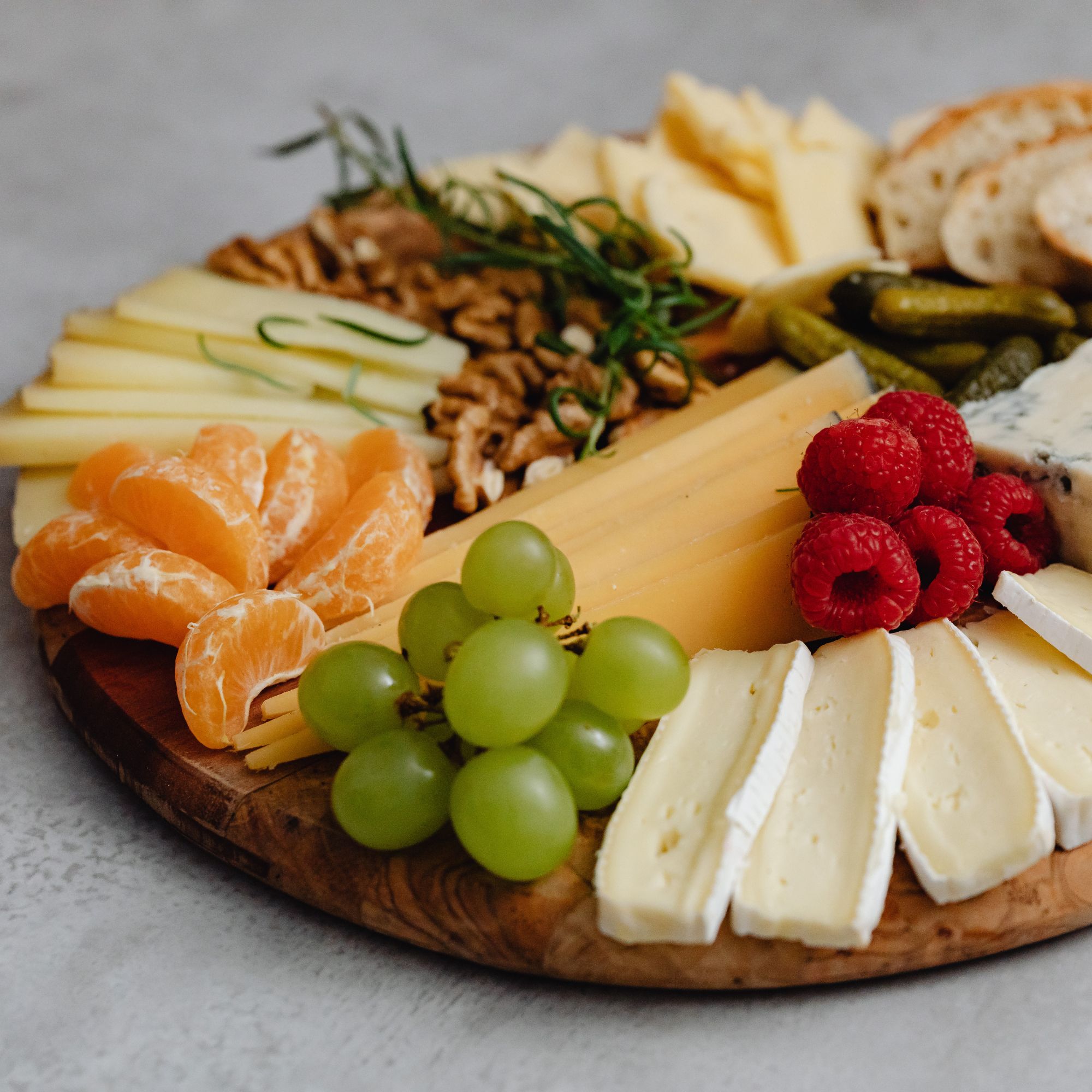
Dairy is the single most common EoE trigger, responsible for reactions in roughly 50–60% of patients who respond to dietary therapy. The culprit is milk protein — specifically casein and whey — rather than lactose. This means lactose-free dairy products are not safe on an EoE elimination diet. All cow's milk products must be removed: milk, cheese, yogurt, butter, cream, ice cream, and anything containing milk derivatives.
2. Wheat
Wheat is the second most common trigger. Unlike coeliac disease, the EoE response to wheat is not driven by gluten specifically — it's a broader immune response to wheat proteins. This means gluten-free products made with other grains (rice flour, oat flour, buckwheat) are generally safe, but anything containing wheat, kamut, spelt, or wheat starch must be avoided.
3. Eggs
Egg proteins — primarily in the white — are a frequent trigger for EoE patients, particularly children. Eggs hide in many processed foods under names like albumin, lysozyme, and globulin, so careful label reading is essential during elimination.
4. Soy
Soy is one of the trickiest to eliminate because it appears in the ingredient lists of an enormous number of processed foods — often as "soy lecithin," "textured vegetable protein," or simply "vegetable oil." Soy sauce, tofu, edamame, miso, and most meat alternatives contain soy.
5. Tree Nuts and Peanuts
Nuts are a less common EoE trigger than dairy or wheat, but they are included in the SFED because of their frequency as allergens generally. All tree nuts (almonds, cashews, walnuts, pistachios, macadamias) and peanuts must be avoided, along with nut butters, nut milks, and nut-derived oils.
6. Fish and Shellfish
Seafood is typically the least common EoE trigger among the six, which is why it's often the first food reintroduced. However, fish proteins are potent allergens and must be removed during the elimination phase. Watch for fish sauce, Worcestershire sauce, and Caesar dressing — all common hidden sources.
"Most EoE patients only react to one or two of the six trigger foods. The elimination diet's job is to find out which ones — so you can eventually eat everything else freely."
EoE Safe Foods: Your Complete List
Here is what you can eat on the Six Food Elimination Diet. This list is more generous than most people expect.
Proteins
- Chicken and turkey
- Beef, lamb, pork
- All beans and lentils
- Hemp seeds and pumpkin seeds
- Pea or rice protein powder
Grains & Starches
- White and brown rice
- Rice pasta and rice bread
- Quinoa and millet
- Buckwheat and teff
- Certified GF oats
- Sweet potato and potato
Dairy Alternatives
- Full-fat coconut milk
- Oat milk (soy-free)
- Rice milk
- Coconut yogurt
- Coconut-based cheese
Fruits & Vegetables
- All fresh fruits
- All fresh vegetables
- Frozen fruits and veg (plain)
- Avocado
- Canned tomatoes (check labels)
Fats & Oils
- Extra virgin olive oil
- Coconut oil
- Avocado oil
- Flaxseed oil
Flavour & Pantry
- Coconut aminos (soy sauce swap)
- All fresh and dried herbs
- Sea salt, pepper, turmeric, ginger
- Apple cider and rice vinegar
- Maple syrup and honey
Reading Labels: Where Trigger Foods Hide
The six trigger foods appear under dozens of alternative names in ingredient lists. Here are the ones most likely to catch you out:
- Dairy: Casein, caseinate, whey, lactalbumin, ghee, buttermilk, cream, milk solids
- Wheat: Modified starch, wheat starch, malt, malt flavouring, brewer's yeast, semolina, spelt, kamut, seitan
- Eggs: Albumin, globulin, lysozyme, ovalbumin, meringue, nougat
- Soy: Textured vegetable protein (TVP), soy lecithin, miso, edamame, tempeh, natural flavours (sometimes)
- Nuts: Nut oils, praline, marzipan, gianduja, mixed spice blends (sometimes contain nut dust)
- Fish: Fish sauce, Worcestershire sauce, bouillabaisse, Caesar dressing, some Asian sauces
Best Foods for Reducing EoE Inflammation
Beyond simply avoiding triggers, some foods actively support oesophageal healing by reducing systemic inflammation. Building these into your daily eating is one of the most effective things you can do alongside the elimination diet:
- Fatty fish (if tolerated or post-reintroduction): Salmon, sardines, and mackerel are among the highest food sources of omega-3 fatty acids, which directly suppress eosinophilic inflammation.
- Turmeric: Curcumin has extensive evidence as an anti-inflammatory compound. Use it daily in cooking or as a supplement with black pepper.
- Ginger: Supports digestion and reduces gut inflammation. Fresh ginger tea daily is one of our household non-negotiables.
- Dark leafy greens: Spinach, kale, and chard are rich in antioxidants that reduce oxidative stress throughout the GI tract.
- Blueberries: One of the highest antioxidant foods available — eat them daily if you can.
- Bone broth (made from safe ingredients): Rich in collagen, glycine, and glutamine — all of which support gut lining repair.
What to Eat During a Flare vs Remission
During a Flare
When inflammation is high and swallowing is difficult, the priority is protecting the oesophagus from mechanical stress while maintaining nutrition. Focus on soft, moist foods that require minimal chewing: smooth soups, slow-cooked stews, mashed root vegetables, rice porridge, ripe bananas, avocado, and protein-rich smoothies made with coconut milk and safe protein powder. Avoid anything dry, dense, or fibrous.
During Remission
In remission, the focus shifts to eating as widely and nutritiously as possible within your identified safe foods, rebuilding any nutritional deficits from the elimination phase, and maintaining the anti-inflammatory eating pattern that helped you get there. This is also when the reintroduction process begins — methodically adding back the six food groups one at a time to identify your personal triggers.
A Sample Day of Eating on the EoE Elimination Diet
For a full week of meal plans like this — including dysphagia-friendly options, snack ideas, and shopping lists — everything is included in the Be Free From EoE bundle.
Frequently Asked Questions
Is rice safe to eat with EoE?
Yes — rice is one of the safest staple foods for EoE. It's free from all six common triggers, easy to digest, and gentle on an inflamed oesophagus. White rice is particularly well tolerated during flares as it's soft and easy to swallow. Brown rice is fine during remission and adds more fibre and nutrients.
Is chicken safe for EoE?
Yes — chicken is a safe, trigger-free protein source for EoE. It contains none of the six common allergens and is an excellent staple during the elimination phase. The key is preparation: slow-cooked, braised, or well-rested chicken is much easier to swallow than dry grilled chicken, which can be challenging for anyone with dysphagia.
Can EoE go away with diet alone?
For some patients, yes. Dietary therapy — primarily through the SFED and subsequent trigger food identification — can achieve and maintain full histological remission (confirmed by biopsy) without medication. This is more common in patients whose EoE is driven by one or two clear dietary triggers. For others, a combination of dietary management and medical treatment is needed. Always discuss your treatment plan with your gastroenterologist.
Can I eat oats with EoE?
Oats are naturally gluten-free and not one of the six trigger foods, so they are included in the SFED. However, most commercial oats are processed alongside wheat and carry a high cross-contamination risk. Always choose certified gluten-free oats during the elimination phase. A small number of EoE patients also react to oats independently — if symptoms persist despite strict SFED adherence, oats are worth temporarily removing and testing.
How long does it take for the EoE diet to work?
Most gastroenterologists recommend 6–8 weeks of strict elimination before a follow-up endoscopy to assess oesophageal healing. Symptom improvement — easier swallowing, fewer impaction episodes — is often noticed earlier, sometimes within 3–4 weeks. However, symptom improvement alone doesn't confirm histological remission; that requires a biopsy.